


Why Early Diagnosis Is the Key to Managing Rheumatoid Arthritis and Other Autoimmune Diseases
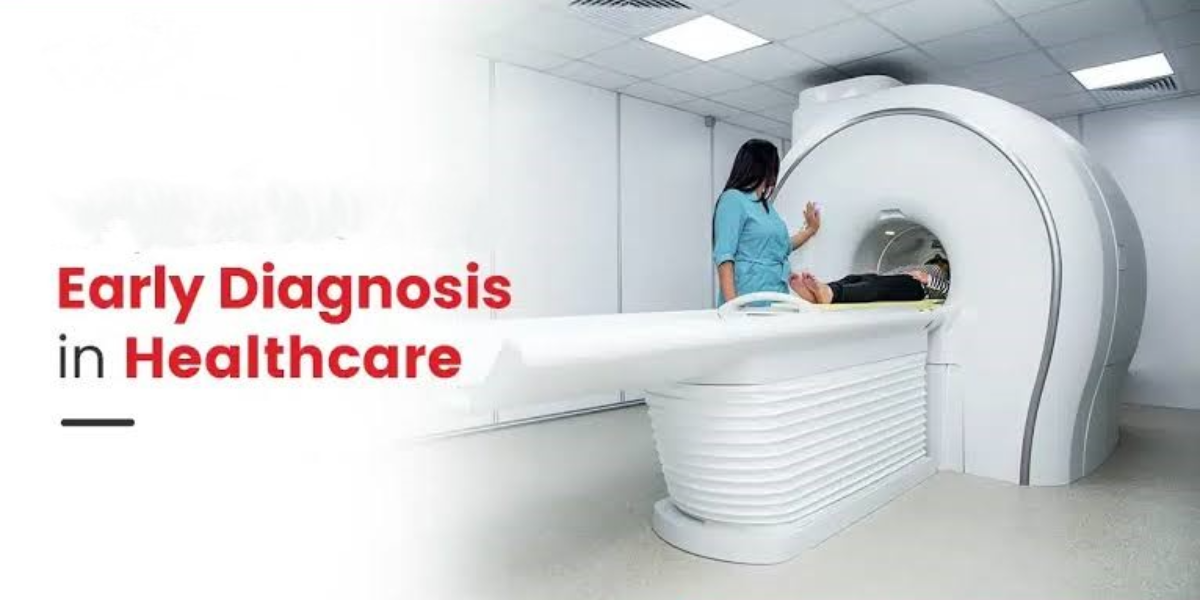
Autoimmune diseases present a unique and complex challenge to modern medicine, primarily because the body's primary line of defense turns against itself. In a healthy individual, the immune system acts as a protective shield, deploying specialized cells to identify and destroy foreign invaders like bacteria and viruses. However, for those living with an autoimmune condition, this system experiences a profound malfunction, losing its ability to distinguish between dangerous pathogens and healthy tissues. Instead of protecting the body, the immune system mistakenly targets healthy cells, unleashing a wave of chronic inflammation that can systematically damage organs, tissues, and joints over time.
Among these conditions, Rheumatoid Arthritis (RA) stands out as one of the most prevalent and debilitating. Unlike osteoarthritis, which stems from the mechanical wear and tear of aging joints, Rheumatoid Arthritis is a systemic autoimmune disease that primarily attacks the synovium—the delicate lining of the membranes that surround your joints. This misdirected immune attack causes severe swelling, stiffness, and pain that can eventually lead to bone erosion and joint deformity if left unchecked. Understanding the true nature of this internal battle is the first step toward reclaiming your health. Consulting a specialized Rheumatology department ensures you get the targeted diagnostic testing and expert care required to halt this destructive process before it causes permanent harm.
The Critical Window of Opportunity in Joint Preservation
In the management of Rheumatoid Arthritis and related autoimmune disorders, time is your most valuable asset. Rheumatologists frequently refer to a "critical window of opportunity," which typically spans the first three to six months following the initial onset of symptoms. During this brief, pivotal timeframe, the inflammatory process is highly active but has not yet caused irreversible structural damage to the bones, cartilage, or ligaments. If medical intervention begins within this window, the chances of achieving complete clinical remission skyrocket, allowing patients to live a life entirely free of pain and disability.
Delaying a diagnosis, even by a matter of months, can have severe, long-term consequences. When chronic inflammation is allowed to burn unchecked inside a joint, it acts like a slow fire, gradually eating away at the protective cartilage that cushions the bone ends. Once this cartilage is destroyed, it cannot regenerate. The surrounding bones begin to rub directly against one another, leading to severe pain, permanent joint deformities, and a drastic loss of mobility. Early diagnosis is not merely about finding a temporary fix for joint stiffness; it is a vital preventative strategy designed to save the physical structure of your joints, protect your independence, and alter the entire trajectory of the disease.
The Broad Spectrum of Autoimmune Conditions
While Rheumatoid Arthritis is heavily characterized by joint pain, the world of autoimmune diseases is vast and affects individuals in vastly different ways. Conditions like Systemic Lupus Erythematosus (SLE), Psoriatic Arthritis, Ankylosing Spondylitis, and Sjögren’s Syndrome all share the same underlying root cause: a hyperactive, misdirected immune response. Because these diseases are systemic, their impact is rarely confined to a single area of the body. They can simultaneously target the skin, kidneys, heart, lungs, blood vessels, and nervous system, making them incredibly difficult to track without specialized medical oversight.
This systemic nature means that symptoms can fluctuate wildly, often mimicking other, less serious ailments. A patient might experience profound, unyielding fatigue, unexplained fevers, skin rashes, or dry eyes long before they notice significant joint swelling. Because the symptoms are so diverse, patients often bounce between different medical specialists for years before receiving an accurate diagnosis. This delay emphasizes the immense importance of a comprehensive rheumatological evaluation, where doctors look at the entire picture, combining physical symptoms, detailed family histories, and specific laboratory markers to identify the exact autoimmune culprit at play.
Distinguishing Structural Realities from Inflammatory Pain
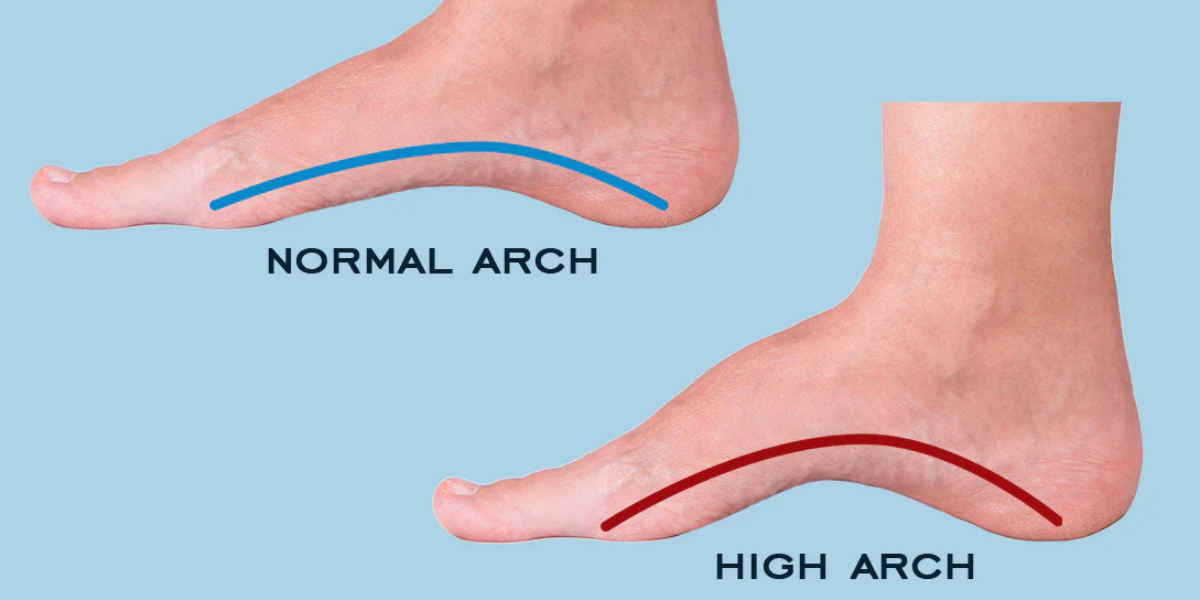
When dealing with chronic joint and foot discomfort, it is highly important to differentiate between an inflammatory autoimmune condition and a purely mechanical, structural issue. For instance, severe foot pain, morning stiffness, and difficulty walking are classic early signs of Rheumatoid Arthritis attacking the small joints of the feet. However, identical physical struggles can also be caused by structural abnormalities in the foot's architecture, such as having exceptionally high-arched feet, which alter weight distribution and place immense, unnatural strain on the muscles, tendons, and plantar fascia.
Mistaking an inflammatory disease for a structural foot issue, or vice versa, can lead to months of ineffective treatment. While a structural problem like high arches is typically managed through custom orthotics, targeted physical therapy, and supportive footwear, an autoimmune disease requires aggressive systemic medication to suppress the overactive immune system. A precise medical evaluation is necessary to separate these two distinct issues, ensuring that mechanical problems receive proper physical support while underlying autoimmune activity is met with immediate, disease-modifying medical therapies.
The Modern Revolution: Biologic Therapies and Personalized Care
The medical landscape for treating autoimmune diseases has undergone a massive transformation over the last two decades. Historically, treatment options were heavily limited to general immunosuppressants and high-dose steroids, which worked like a blanket, dampening the entire immune system and leaving patients highly vulnerable to severe infections and long-term side effects. Today, the focus has shifted entirely toward highly targeted, personalized care driven by the development of revolutionary biologic therapies.
Biologic therapies are genetically engineered proteins designed to act like heat-seeking missiles within the body. Instead of shutting down the entire immune system, biologics specifically target and neutralize the precise inflammatory molecules, such as Tumor Necrosis Factor (TNF) or specific interleukins, that are actively driving the joint destruction. This targeted approach allows rheumatologists to customize a treatment plan perfectly tailored to the unique cellular profile of a patient's disease. By utilizing these advanced therapies early in the disease process, doctors can halt joint damage at the microscopic level, dramatically reducing side effects and offering patients an unprecedented opportunity to achieve long-term, drug-sustained remission.
Crucial Early Warning Signs of Autoimmune Activity
Because early intervention is so critical, recognizing the subtle, initial warning signs of an autoimmune condition can completely change your medical outcome. If you or a loved one experiences any of the following symptoms consistently for more than a few weeks, it is vital to avoid self-medication and schedule a professional medical evaluation:
- Prolonged Morning Stiffness: Feeling physically stiff, rigid, or unable to move your fingers, wrists, or toes easily upon waking up, with the stiffness lasting for more than 30 to 60 minutes before gradually improving with physical activity.
- Symmetrical Joint Pain: Experiencing pain, warmth, or swelling in the same joints on both sides of your body, simultaneously, such as both wrists, both knees, or the knuckles of both hands, is a classic hallmark of Rheumatoid Arthritis.
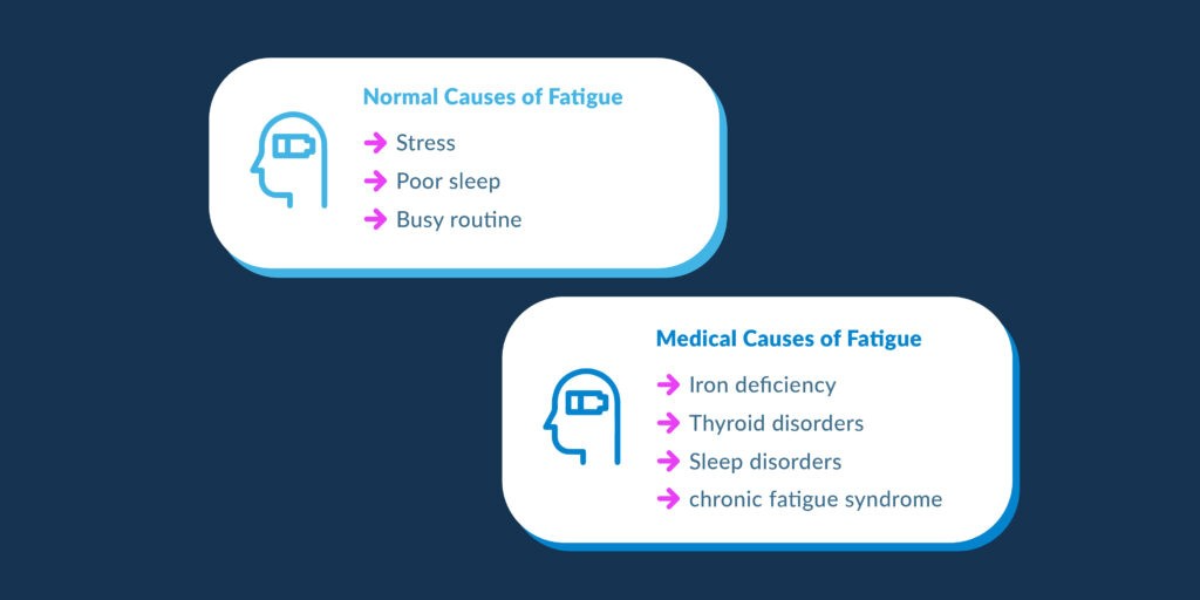
- Unexplained, Chronic Fatigue: A profound, deep-seated exhaustion that does not improve with a full night of sleep or rest, often accompanied by low-grade fevers and a general feeling of being unwell.
- Sudden Changes in Skin or Eyes: Developing unexplained rashes, such as a butterfly-shaped rash across the cheeks and nose, or experiencing severe, persistent dryness and grittiness in the eyes and mouth.
Choosing Expert Guidance and Clinical Excellence
Navigating the complexities of an autoimmune diagnosis requires a clinical team that stays at the absolute forefront of modern medical science. Because these conditions present differently in every individual, partnering with an experienced specialist is essential to establishing an accurate baseline and building an effective, long-term treatment strategy. Seeking care from a highly qualified expert, such as a dedicated assistant. Prof. CMT, Senior Registrar & HOD, guarantees that your treatment plan is designed and supervised by a leading professional. This level of expert oversight ensures that advanced diagnostics, lifestyle modifications, and cutting-edge biologic therapies are perfectly synchronized to give you the best possible health outcome.
Conclusion
Living with an autoimmune disease like Rheumatoid Arthritis does not mean you have to accept a future defined by chronic pain and restricted mobility. The key to preserving your joint health, maintaining your independence, and preventing irreversible skeletal damage lies entirely in early detection and immediate medical action.
By learning to recognize the early warning signs, understanding the difference between structural alignment issues and systemic inflammation, and seeking timely care from a specialist, you can effectively take control of your condition. Modern rheumatology offers the precise tools and targeted therapies needed to stop the disease in its tracks, allowing you to protect your body and enjoy a vibrant, active life.
Share on Social Media
Recommended For You






















Readers Also Viewed These Articles
Categories
- Medicine
- Surgery Department
- Emergency Care
- Anaesthesia
- Cardiology and Cardiac Catheterization
- Dentistry
- ENT (Ear, Nose & Throat)
- Health
- Surgery
- Departments
News & Events




Get in touch with us today to get medical services
Ali Fatima Hospital
Bhobtian Avenue, 9 Km Raiwind Rd, Lahore
- EMAIL US: info@afh.org.pk
- CALL US: 042-35459806
Subscribe Our Newsletter
Copyright 2026. All Rights Reserved By AFH