


Beyond the Nine Months: Why Postpartum Gynaecological Care is Crucial for Pakistani Mothers

In Pakistan, the journey of pregnancy is celebrated with immense joy, care, and family support. From the moment a woman conceives, the entire household focuses on her diet, doctor visits, and comfort. However, a stark and dangerous shift occurs the moment the baby is born. The cultural spotlight immediately moves entirely to the newborn, while the mother's health is frequently pushed to the background.
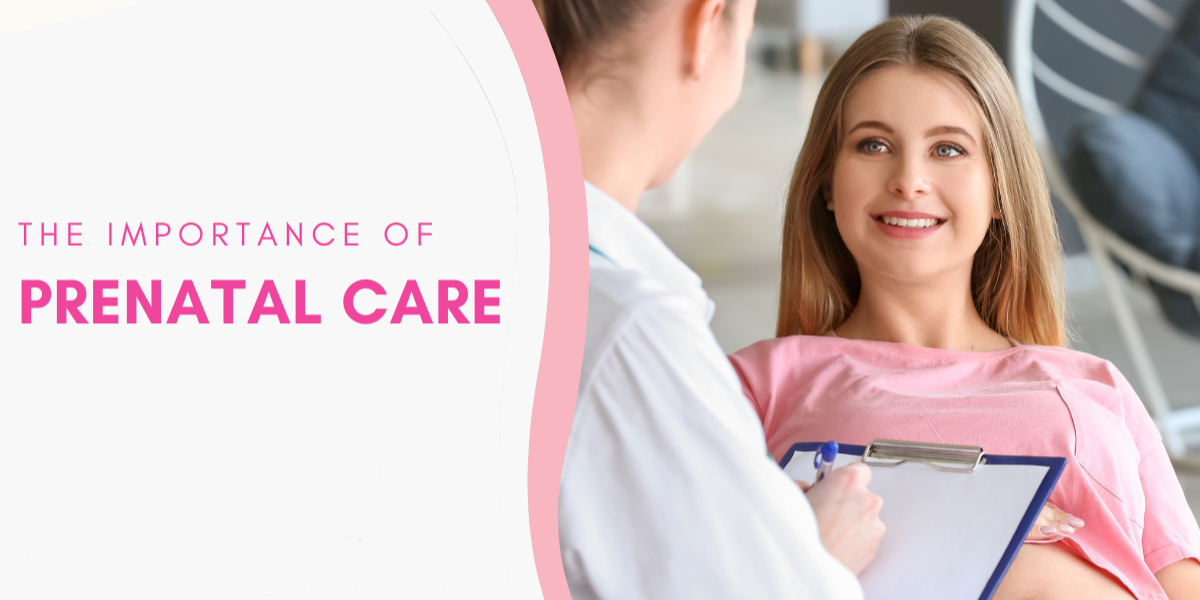
Many families assume that once a successful delivery is over, the mother’s medical needs are completely met. This mindset ignores the fact that the weeks following childbirth, known as the postpartum period, are physically and emotionally high-risk. While understanding the Importance of Prenatal Care is vital for a safe pregnancy, continuing that medical vigilance after delivery is what saves mothers from long-term health complications.
The Cultural Neglect of the Postpartum Period
In Pakistani society, the traditional practice of "Sawaa mahina" (the first 40 days after birth) focuses heavily on traditional foods, home remedies, and rest. While physical rest is highly beneficial, these cultural customs often replace necessary medical follow-ups. If a new mother complains of severe pain, extreme fatigue, or emotional distress, she is frequently told that these struggles are a normal part of motherhood that will fade with time.
This lack of medical awareness causes many women to suffer through dangerous hidden complications in silence. The body undergoes massive hormonal, anatomical, and cardiovascular shifts after birth. Assuming a mother is completely safe just because she has returned home from the hospital is a dangerous mistake that can lead to chronic, preventable illness.
Hidden Physical Risks: When to Seek Immediate Help
The postpartum body is highly vulnerable to several acute medical conditions that require urgent evaluation by a specialist. Ignoring these indicators can lead to severe structural damage or life-threatening systemic crises:
Postpartum Hemorrhage (PPH)
While bleeding (lochia) is normal for a few weeks after delivery, a sudden increase in heavy bleeding, passing large blood clots, or feeling dizzy indicates delayed PPH, which requires immediate emergency care.
Pelvic and Uterine Infections
A persistent high fever, severe lower abdominal pain, or foul-smelling discharge are classic indicator of an internal uterine infection that needs targeted antibiotic treatment to prevent sepsis.
Severe High Blood Pressure (Postpartum Preeclampsia)
Preeclampsia can actually develop up to six weeks after giving birth. Severe headaches, sudden swelling in the face or hands, and blurred vision are critical warnings that demand immediate blood pressure management to avoid seizures.
Pelvic Floor Dysfunction
Damage to the pelvic muscles during childbirth can lead to urinary incontinence, painful intercourse, or uterine prolapse later in life, all of which can be treated if caught early.
The Silent Struggle: Postpartum Depression and Burnout
The hormonal crash that occurs within 48 hours of childbirth is one of the sharpest biological shifts a human body can experience. This drop, combined with severe sleep deprivation and the pressure of caring for a newborn, leaves mothers highly vulnerable to mental health struggles. While the temporary "baby blues" affects many women, persistent despair, intense anxiety, or a lack of bonding with the baby points to clinical Postpartum Depression.
Unfortunately, due to deep social stigma, new mothers in Pakistan rarely speak out about feeling sad or overwhelmed, fearing they will be labeled as ungrateful or incompetent. Left unaddressed, postpartum depression strains the mother-infant bond and severely impacts the mother’s physical recovery. True postpartum care treats the mother as a whole person, addressing her emotional survival alongside her physical healing.
Navigating Complex Healing After Cesarean Deliveries
With the rising rates of C-sections in Pakistan, managing post-surgical healing has become a massive component of postpartum maternal care. A Cesarean section is not a simple delivery method; it is a major abdominal surgery that requires meticulous wound care and structured recovery timelines.
Many new mothers, eager to handle household responsibilities or care for older children, begin heavy lifting or strenuous activity far too soon. This premature exertion can cause internal stitches to tear, lead to painful scar tissue formation, or cause severe wound infections. Regular checkups at a dedicated Gynaecology & Obstetrics clinic allow specialists to monitor incision healing, safely manage post-surgical pain, and guide the mother on how to rebuild her core strength without risking her physical health.
The Long-Term Impact on Future Family Planning
Another critical reason postpartum gynaecological care cannot be skipped is its long-term impact on family planning and future pregnancies. The postpartum visit offers a private, safe window for a mother to discuss healthy birth spacing with her doctor. Spacing out pregnancies gives a woman's body the essential time it needs to replenish vital nutrient stores, heal pelvic tissues, and fully recover from the stress of childbearing.
Receiving personalized contraceptive counseling tailored to a mother's breastfeeding status and medical history prevents unintended, closely spaced pregnancies. This protective, proactive care significantly lowers the risk of complications such as premature birth, low birth weight, and uterine rupture in future pregnancies- safeguarding both the mother and her future children.
Trusting Expert Maternal Leadership
Prioritizing your postpartum health means seeking care within a clinical environment built on medical excellence and empathetic understanding. Because maternal care involves intricate hormonal balance and surgical recovery, having your healing journey monitored by a seasoned medical team prevents lifelong reproductive complications.
Entrusting your postpartum recovery to an advanced specialist team led by a highly respected expert, such as the Head of Department, guarantees that your health is managed using the safest, evidence-based practices. This expert leadership provides new mothers with a compassionate, judgment-free space to voice their physical and emotional concerns, ensuring they receive the precise clinical guidance needed to heal completely.
Conclusion
A healthy baby requires a healthy mother. While society naturally shifts its focus to the newborn, families must actively protect the woman who brought that new life into the world. Ignoring persistent postpartum pain, heavy bleeding, or intense emotional distress in favor of traditional home remedies can lead to chronic health issues that impair a woman's quality of life for years to come.
By prioritizing routine postpartum gynaecological follow-ups, staying aware of early warning signs, and seeking timely specialist care, mothers can navigate the fourth trimester safely. Investing in maternal healthcare beyond delivery ensures that new mothers have the physical strength and emotional resilience to embrace motherhood with joy, health, and vitality.
Share on Social Media
Recommended For You







Readers Also Viewed These Articles
Categories
- Medicine
- Surgery Department
- Emergency Care
- Anaesthesia
- Cardiology and Cardiac Catheterization
- Dentistry
- ENT (Ear, Nose & Throat)
- Health
- Surgery
- Departments
Get in touch with us today to get medical services
Ali Fatima Hospital
Bhobtian Avenue, 9 Km Raiwind Rd, Lahore
- EMAIL US: info@afh.org.pk
- CALL US: 042-35459806
Subscribe Our Newsletter
Copyright 2026. All Rights Reserved By AFH