


Sciatica: Symptoms, Causes, and Treatment Options
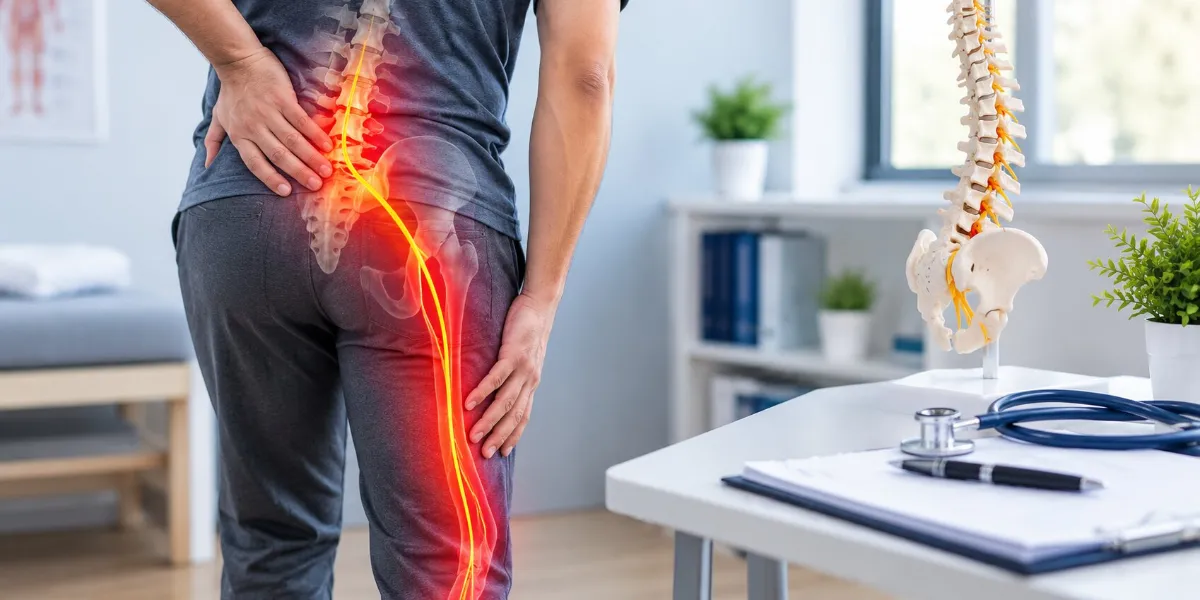
Sciatica is a type of nerve pain that develops when the sciatic nerve becomes irritated or compressed. The sciatic nerve is the largest nerve in the body and runs from the lower back through the hips and buttocks and down each leg. Because of this, sciatica can cause pain that travels from the lower back into the buttock and leg, sometimes reaching the foot.
The pain can range from mild discomfort to severe, burning or shooting pain. Some people may also experience numbness, tingling, or weakness in the affected leg. While many cases improve with conservative treatment, persistent or severe symptoms may require medical evaluation.
What Is Sciatica?
Sciatica is not a disease itself. It is a group of symptoms caused by irritation, inflammation, or compression of the sciatic nerve or its nerve roots in the lower spine.
Sciatic pain usually affects one side of the body. It may become more noticeable when sitting for long periods, coughing, sneezing, or making certain movements.
The location and severity of symptoms can vary depending on which part of the nerve is affected.
Symptoms of Sciatica
Sciatica can cause different symptoms depending on the underlying cause and the degree of nerve irritation.
Common symptoms include:
- Pain that travels from the lower back into the buttock and leg
- Burning or shooting pain
- Tingling or a pins-and-needles sensation
- Numbness in the leg or foot
- Weakness in the affected leg
- Pain that becomes worse with prolonged sitting
- Difficulty moving the leg or foot normally
Some people experience lower back pain along with sciatica, while others mainly feel pain along the path of the sciatic nerve.
What Causes Sciatica?
Sciatica most commonly develops because something puts pressure on or irritates the nerve roots that form the sciatic nerve.
Herniated Disc
A herniated or slipped disc is one of the most common causes of sciatica. The discs between the vertebrae act as cushions for the spine. If part of a disc pushes outward and presses against a nearby nerve root, it can produce sciatic pain.
Bone Spurs
Bone spurs, also called osteophytes, can develop as a result of age-related changes in the spine. In some cases, these bony growths can narrow the space around spinal nerves and contribute to sciatica.
Spinal Stenosis
Spinal stenosis occurs when the spaces within the spine become narrower. This narrowing can place pressure on the nerves and may cause pain, numbness, or weakness in the legs.
Spondylolisthesis
Spondylolisthesis occurs when one vertebra slips forward relative to another. Depending on its severity and location, it can narrow the space around a nerve and contribute to sciatic symptoms.
Risk Factors for Sciatica
Certain factors may increase the likelihood of developing sciatica.
These include:
- Increasing age and age-related spinal changes
- Being overweight or obese
- A physically demanding occupation
- Frequent heavy lifting
- Poor lifting techniques
- Prolonged sitting
- Lack of physical activity
- Diabetes
Having one or more risk factors does not necessarily mean a person will develop sciatica, but addressing modifiable factors may help support spinal health.
How Is Sciatica Diagnosed?
A doctor usually begins by asking about the patient's symptoms, when they started, and what makes them better or worse. A physical examination may include checking muscle strength, reflexes, sensation, walking ability, and certain movements of the back and legs.
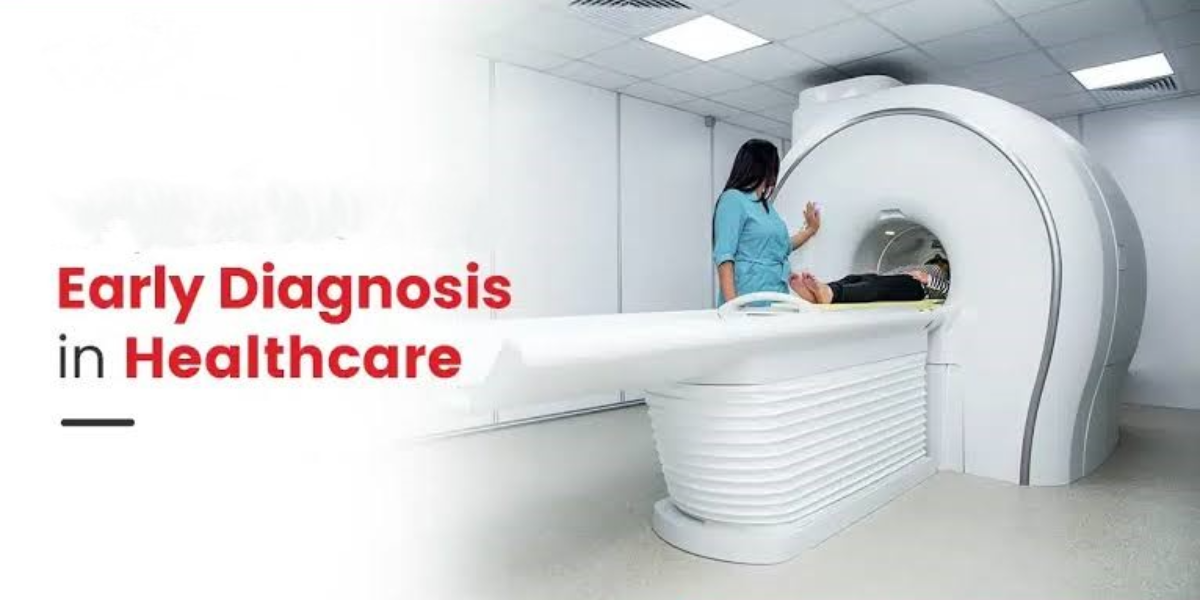
Imaging is not always required for uncomplicated sciatica. If symptoms are severe, persistent, worsening, or associated with certain neurological findings, a doctor may recommend imaging such as an MRI or other tests to identify the underlying cause.
The appropriate investigation depends on the patient's symptoms and clinical findings.
Treatment Options for Sciatica
Treatment depends on the underlying cause and severity of symptoms. Many people improve with non-surgical treatment.
Physical Activity and Physiotherapy
Remaining active, when medically appropriate, can be helpful. A physiotherapist may recommend exercises designed to improve flexibility, strengthen supporting muscles, and reduce strain on the lower back.
Prolonged bed rest is generally not recommended for uncomplicated sciatica.
Medicines
Depending on the patient's condition, a doctor may recommend medicines to manage pain and inflammation. The appropriate medication depends on factors such as the cause of pain, other health conditions, and existing medicines.
Patients should avoid taking pain medicines for prolonged periods without medical advice.
Heat or Cold Therapy
Applying a cold pack during the early stages of pain and using heat later may provide temporary relief for some people. These measures do not treat the underlying cause but may help make symptoms more manageable.
Injections
For selected patients with persistent nerve pain, a doctor may consider an injection around the affected nerve or spinal structures. Whether an injection is appropriate depends on the underlying condition and clinical assessment.
Surgery
Most people with sciatica do not need surgery. However, surgery may be considered when a specific structural problem is causing significant nerve compression and symptoms have not improved with appropriate non-surgical treatment.
Surgery may also be considered in certain cases involving progressive neurological problems.
When Should You See a Doctor for Sciatica?
You should seek medical evaluation if leg pain, numbness, tingling, or weakness persists, interferes with daily activities, or keeps returning.
A specialist assessment is particularly important when symptoms are severe or are accompanied by neurological changes.
Some symptoms require urgent medical attention.
Seek Emergency Medical Care If You Have:
- New loss of bladder or bowel control
- Severe or increasing weakness in the legs
- Numbness around the genitals, buttocks, or inner thighs
- Severe symptoms affecting both legs
- Sudden neurological changes
These symptoms can indicate serious nerve compression and require prompt assessment.
Can Sciatica Be Prevented?
Not every case of sciatica can be prevented, particularly when it is related to structural changes in the spine. However, maintaining a healthy weight, staying physically active, using proper lifting techniques, and avoiding prolonged inactivity may help reduce strain on the back.
Regular movement is especially important for people who spend many hours sitting during work.
When Should You See a Spine or Orthopaedic Specialist?
Sciatica can have several possible causes, so treatment should be based on an appropriate clinical assessment rather than simply treating the pain.
If your symptoms are persistent, severe, recurring, or associated with numbness or weakness, a specialist can evaluate the underlying cause and determine whether conservative treatment, further investigation, or another treatment approach is appropriate.
For patients seeking specialist evaluation at Ali Fatima Hospital, Dr. Muhammad Waqas can be consulted for assessment and management of relevant musculoskeletal and spinal conditions.
Frequently Asked Questions
How long does sciatica usually last?
Many cases of sciatica improve over several weeks with appropriate conservative care. The duration varies depending on the underlying cause and severity of nerve irritation.
Is walking good for sciatica?
For many people, gentle activity and walking can be helpful, provided they do not significantly worsen symptoms. Your doctor or physiotherapist can advise you about suitable activity based on your condition.
Can sciatica go away on its own?
Yes, some cases improve without surgery or invasive treatment. However, persistent or worsening symptoms should be medically evaluated.
Does sciatica always require surgery?
No. Most people with sciatica are treated without surgery. Surgery is generally reserved for selected cases where there is significant nerve compression or symptoms do not improve with appropriate conservative treatment.
Is sciatica the same as back pain?
No. Back pain can have many causes. Sciatica specifically refers to symptoms caused by irritation or compression affecting the sciatic nerve or its nerve roots.
I can also make this more SEO-focused for Pakistan/Lahore, including the primary keyword, secondary keywords such as sciatica treatment, sciatica symptoms, sciatica causes, sciatica pain treatment, and natural internal-link placements for AFH.
Share on Social Media
Recommended For You









Readers Also Viewed These Articles
Categories
- Medicine
- Surgery Department
- Emergency Care
- Anaesthesia
- Cardiology and Cardiac Catheterization
- Dentistry
- ENT (Ear, Nose & Throat)
- Health
- Surgery
- Departments

Get in touch with us today to get medical services
Ali Fatima Hospital
Bhobtian Avenue, 9 Km Raiwind Rd, Lahore
- EMAIL US: info@afh.org.pk
- CALL US: 042-35459806
Subscribe Our Newsletter
Copyright 2026. All Rights Reserved By AFH