


Mental Health Beyond Stress: Early Warning Signs That Require Psychiatric Care
Life comes with a natural baseline of pressure. Meeting work deadlines, managing household budgets, navigating complex family expectations, and dealing with daily traffic are all common stressors that people experience regularly. In Pakistan, the word "stress" is frequently used as a blanket term for any form of emotional or mental discomfort. When someone feels overwhelmed, tired, or anxious, the standard social response is often to advise them to take a rest, drink some tea, or simply stop thinking so much.
However, there is a distinct and critical boundary between ordinary, day-to-day stress and a clinical mental health condition that requires professional intervention. While stress is a temporary reaction to an external pressure that typically fades once the situation resolves, conditions like clinical anxiety, major depressive disorder, and severe burnout alter the brain's chemistry and regular functioning. Mistaking these deep-rooted psychological issues for simple, everyday stress is a dangerous trend that prevents thousands of individuals across the country from getting the medical assistance they desperately need. Recognizing this boundary early on and consulting a qualified Psychiatry specialist can mean the difference between a manageable recovery and a prolonged, debilitating crisis.
The Cultural Stigma of Mental Illness in Pakistan
To understand why so many people ignore the critical warning signs of mental illness, one must first look at the heavy cultural stigma surrounding psychiatric care in Pakistani society. For generations, mental health struggles have been viewed through a lens of misunderstanding, weakness, or spiritual deficiency.
When an individual expresses feelings of deep sadness, chronic fatigue, or persistent fear, their symptoms are frequently dismissed by family members as a lack of willpower, laziness, or a failure to handle life's responsibilities.
This pervasive stigma forces many individuals to suffer in silence, masking their symptoms behind a smiling face or withdrawing entirely from social life to avoid being labeled as unstable. The fear of social rejection, marital complications, or professional discrimination keeps people from opening up to their loved ones, let alone walking into a psychiatric clinic.
This silence is particularly dangerous because mental health disorders are genuine medical conditions affecting the central nervous system. Just as one would not expect a person to cure a physical ailment through sheer willpower, it is entirely unrealistic to expect someone to overcome a clinical brain chemistry imbalance without professional diagnostic and therapeutic support.
When Physical Symptoms Mask Psychological Suffering
One of the most complex aspects of mental health disorders is that they rarely remain confined to a person's thoughts. In many cases, psychological distress manifests heavily as physical symptoms, a process known as somatization. In Pakistan, patients frequently visit general physicians complaining of chronic headaches, persistent back pain, unexplained muscle aches, or severe digestive issues like stomach ulcers and irritable bowel syndrome. They undergo numerous medical tests, blood panels, and scans, only to find that there is no obvious physical cause for their suffering.
When physical symptoms have no clear biological explanation, they are very often the body’s way of crying out for psychological help. Chronic anxiety keeps the nervous system in a constant state of high alert, flooding the body with stress hormones like cortisol and adrenaline, which eventually cause muscle tension, rapid heart rate, and gastrointestinal distress. Similarly, severe depression can lower a person's pain threshold, making existing discomfort feel significantly worse. In rare and complex cases, neurological symptoms like chronic, unyielding headaches or sudden vision changes require careful differentiation.
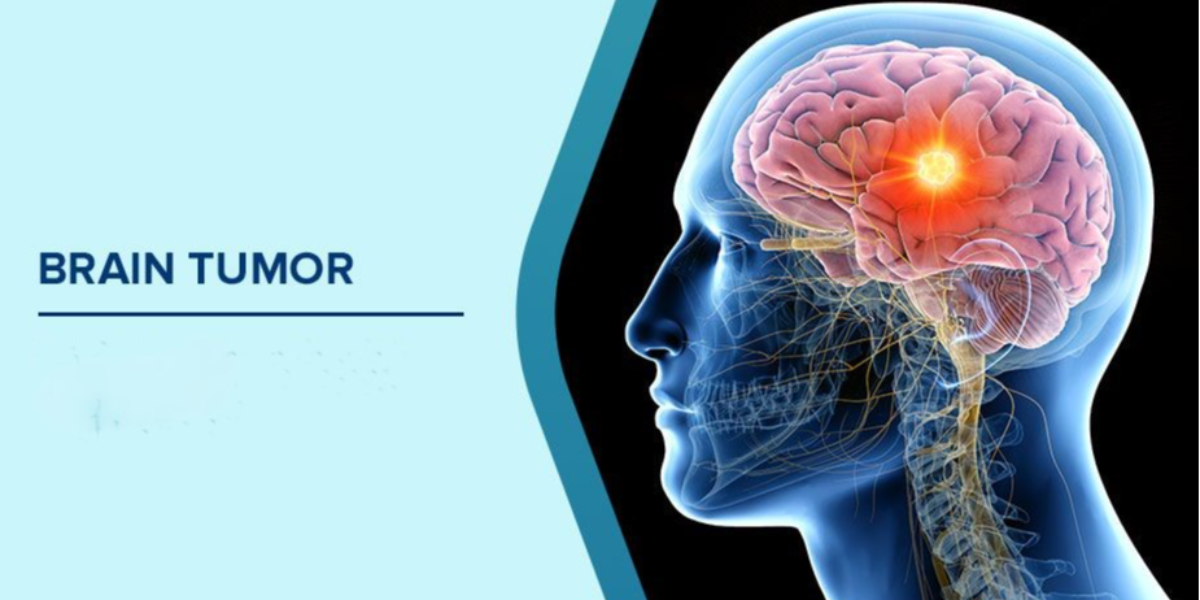
While these are often tied to severe stress, they can occasionally point toward organic neurological issues, making it essential to understand distinct neurological indicators like Brain Tumor Warning Signs to ensure a patient receives the correct specialist referral, whether that means seeing a psychiatrist, a neurologist, or a neurosurgeon.
Understanding the True Face of Clinical Anxiety
Everyone feels anxious before a major event, a job interview, or an important exam. This situational anxiety is normal and can even help sharpen focus. Clinical anxiety, however, is an entirely different experience that disrupts an individual's ability to live a normal life. It is characterized by an excessive, uncontrollable, and irrational worry about everyday situations that persists for weeks or months at a time.
A person suffering from a generalized anxiety disorder or panic disorder lives in a constant state of dread, always expecting the worst possible outcome to occur. This psychological state is accompanied by exhausting physical symptoms, including a chronically racing heart, shortness of breath, trembling hands, cold sweats, and a persistent feeling of a lump in the throat.
Over time, this constant state of hypervigilance drains the body's energy reserves, leaving the individual completely exhausted yet unable to sleep due to racing thoughts. When anxiety reaches this level, it is no longer something that can be managed with deep breathing exercises or a change in diet; it requires a formal psychiatric evaluation to determine if medication or targeted therapy is necessary to stabilize the overactive nervous system.
The Dangerous Descent from Sadness to Major Depression
Sadness is a natural human emotion that occurs in response to loss, disappointment, or grief. It is usually temporary, allowing a person to process their feelings before gradually returning to their usual emotional baseline. Clinical depression, or Major Depressive Disorder, is not just prolonged sadness; it is a pervasive, heavy blanket of despair that distorts a person's entire perception of reality, themselves, and their future.
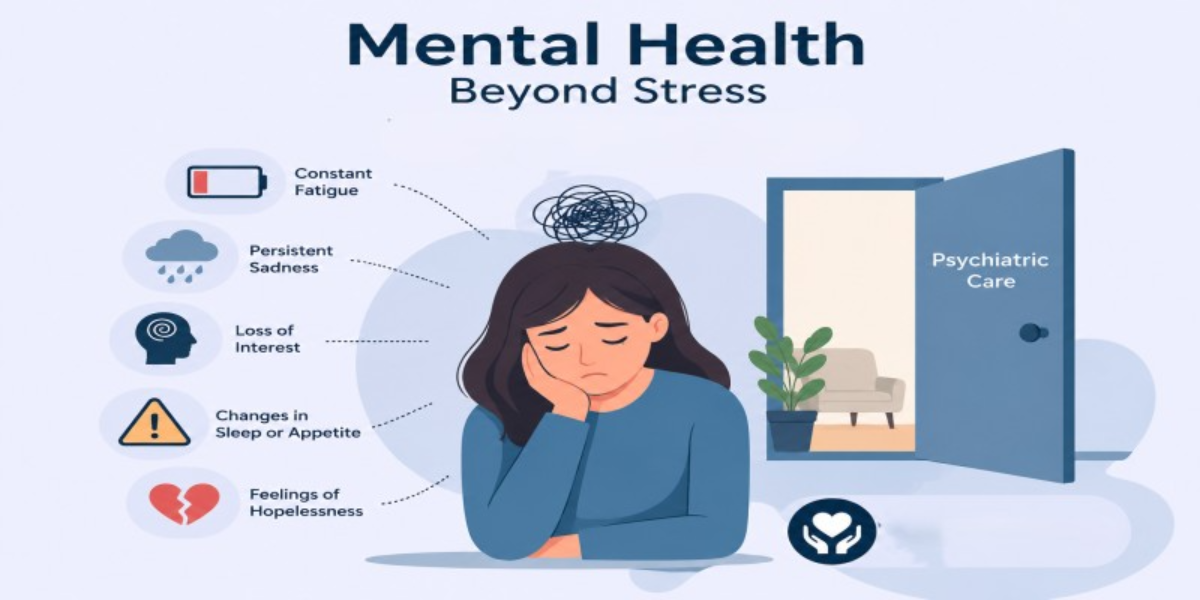
One of the definitive early warning signs of clinical depression is anhedonia, which is the total loss of interest or pleasure in activities that the person used to love. Whether it is playing sports, engaging in hobbies, socializing with friends, or spending time with family, nothing brings a sense of joy or fulfillment anymore. This is accompanied by a profound, unyielding fatigue that sleep cannot fix, significant changes in appetite and weight, and overwhelming feelings of worthlessness or inappropriate guilt.
As the condition deepens, it alters the physical structure and neural pathways of the brain, leading to severe cognitive difficulties, such as an inability to concentrate, make simple daily decisions, or remember basic information. Left untreated, clinical depression can strip away an individual's desire to live, making early psychiatric intervention absolutely paramount to saving lives.
Burnout: The Modern Epidemic of Total Exhaustion
In today’s highly competitive and fast-paced professional landscape, burnout has emerged as a major threat to mental well-being. Often confused with simple work exhaustion, true burnout is a distinct psychological syndrome resulting from chronic workplace stress that has not been successfully managed. It goes far beyond feeling tired at the end of a long week; it is a state of total emotional, physical, and mental depletion.
Burnout typically manifests through three key dimensions. First, there is feelings of energy depletion or utter exhaustion that cannot be resolved by taking a weekend off or going on a short vacation. Second, the individual develops an increased mental distance from their job, characterized by deep feelings of negativism, cynicism, and detachment toward their work, colleagues, and clients.
Third, there is a significant reduction in professional efficacy, where the person feels completely incompetent and unable to accomplish even simple, routine tasks they used to master with ease. When an individual reaches the stage of advanced burnout, their immune system weakens, making them highly susceptible to physical illnesses, and the condition frequently spills over into clinical anxiety or depression, requiring professional psychiatric care to rebuild their psychological resilience.
Crucial Early Warning Signs You Must Never Ignore
Recognizing when mental distress has crossed into the realm of medical necessity can be life-saving. If you or someone you care about exhibits severe sleep disruptions, such as struggling to fall asleep due to a racing mind, waking up frequently in the middle of the night, or sleeping for twelve or more hours a day and still feeling completely drained, it is a clear indicator that self-care is no longer enough.
Other critical signs include drastic changes in behavior and personality, such as a sudden shift from being outgoing and social to completely isolated and reclusive, or a normally calm individual becoming highly irritable and prone to angry outbursts over minor issues.
Finding it impossible to get out of bed, maintain basic personal hygiene, attend work regularly, or manage routine household chores due to an overwhelming lack of energy is also a major red flag. Furthermore, turning to unhealthy coping mechanisms like misusing over-the-counter sleeping pills or experiencing a constant belief that things will never improve are warning signs that a psychiatrist should be consulted immediately.
Choosing Professional Competence and Compassionate Leadership
When you or a loved one decides to break through the barrier of stigma and seek psychiatric help, finding a clinical environment led by experienced professionals is essential for a safe and successful recovery.
Entrusting your mental well-being to a specialized team ensures that you receive an accurate, evidence-based diagnosis rather than a generic or misinformed judgment. Seeking care under a dedicated expert like the Head of Department ensures your treatment plan is overseen by a professional who combines clinical expertise with deep cultural empathy, providing a safe space to heal without fear of prejudice.
Conclusion
Ultimately, mental health disorders are highly treatable medical conditions, not personal flaws or spiritual shortcomings. Leaving clinical anxiety, deep depression, or advanced burnout unchecked can permanently alter your quality of life, disrupt your relationships, and severely impact your physical well-being.
By recognizing the early warning signs, looking past societal stigma, and opting for timely professional psychiatric care instead of brushing off your struggles as ordinary stress, you take the first vital step toward reclaiming your life. Prioritizing your psychological well-being ensures you receive the guidance needed to rebuild a future defined by balance, clarity, and lasting peace
Share on Social Media
Recommended For You




















Readers Also Viewed These Articles
Categories
- Medicine
- Surgery Department
- Emergency Care
- Anaesthesia
- Cardiology and Cardiac Catheterization
- Dentistry
- ENT (Ear, Nose & Throat)
- Health
- Surgery
- Departments
Get in touch with us today to get medical services
Ali Fatima Hospital
Bhobtian Avenue, 9 Km Raiwind Rd, Lahore
- EMAIL US: info@afh.org.pk
- CALL US: 042-35459806
Subscribe Our Newsletter
Copyright 2026. All Rights Reserved By AFH