


Understanding Persistent Fatigue: Common Biological Causes and Knowing When to Seek Medical Care
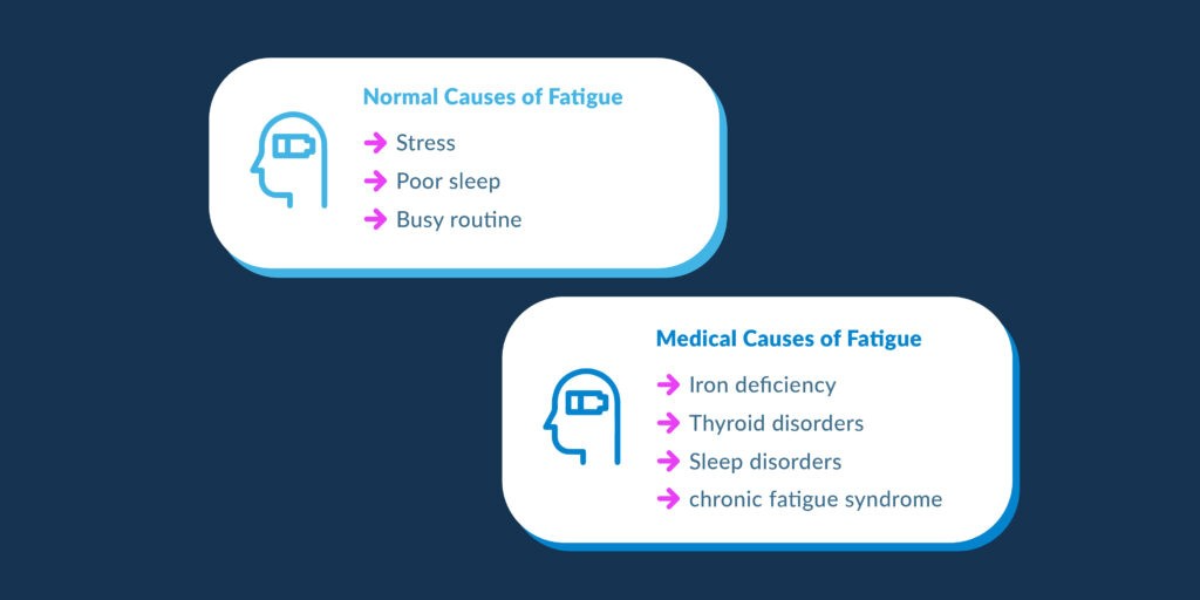
We live in a fast-paced world where busyness is frequently worn as a badge of honor, making tiredness one of the most common complaints in modern healthcare. Almost everyone experiences days when pulling themselves out of bed feels like an uphill battle. This usually follows a late night, a stressful project at work, or an intense physical workout.
In most everyday instances, a few nights of deep, restorative sleep combined with a slower weekend are all it takes to bounce back and feel fully functional again. However, there is a profound clinical difference between ordinary sleepiness and true, persistent fatigue.
Sleepiness is a straightforward physiological state characterized by the simple desire or need to sleep, which is easily remedied by rest. Fatigue, on the other hand, is an overwhelming, deep-seated depletion of physical and mental energy that does not improve with a good night's rest.
It is a relentless feeling of being drained that shadows your daily routine, impairs your cognitive focus, and dampens your physical capabilities. When exhaustion becomes your baseline state of being, it is no longer something you should try to power through with extra caffeine. Instead, it should be recognized as your body's primary distress signal, indicating that something within your internal biological systems requires careful attention.
Navigating Diagnosis with Internal Medicine
Unraveling the intricate mystery of persistent fatigue is the precise domain of internal medicine. Because a lack of energy can stem from practically any organ system in the human body, finding an accurate diagnosis requires a highly comprehensive, holistic approach.
Scheduling an appointment with a dedicated Medicine department provides you with direct access to advanced diagnostic methodologies. Internists are expertly trained to conduct detailed clinical histories and order highly targeted laboratory evaluations.
These tests range from comprehensive metabolic panels and hormone assays to detailed nutrient tracking and inflammatory markers. This systematic approach ensures that no potential cause is overlooked and an accurate biological profile is created.
Shifting Focus to Everyday Lifestyle Factors
When a person experiences ongoing exhaustion, the first step in uncovering the root cause involves a candid assessment of everyday lifestyle choices. The human body operates much like a complex biological machine that requires specific inputs to generate optimal energy.
Disruptions in sleep hygiene, such as an inconsistent bedtime routine, excessive screen exposure before sleep, or undiagnosed sleep apnea, can severely degrade the quality of your rest. This is true even if you spend eight hours in bed.
Similarly, nutritional deficiencies can starve your cells of the vital building blocks they need to produce cellular energy. Consuming a diet heavy in processed sugars and simple carbohydrates often leads to rapid blood glucose spikes followed by dramatic crashes, leaving you feeling entirely drained just hours after eating.
Dehydration is another frequently overlooked culprit in daily life. Even a minor drop in fluid levels can slow down metabolic processes and force your heart to work harder to pump oxygen throughout your system, leading to early exhaustion.
Identifying Nutrient and Blood Deficiencies
When lifestyle habits are balanced and healthy, yet the profound sense of exhaustion remains completely unchanged, the medical investigation must shift toward potential clinical conditions. One of the most frequent underlying biological causes of chronic tiredness is anemia.
Anemia is a condition where the body lacks an adequate supply of healthy red blood cells or hemoglobin. Because red blood cells are responsible for transporting oxygen from your lungs to every organ and tissue in your body, a shortage means your muscles and brain are chronically starved of oxygen, resulting in a constant state of weakness and lethargy.
Seeking Leadership in Complex Cases
For complex, long-standing, or ambiguous cases of exhaustion where standard baseline tests fail to yield immediate answers, seeking a consultation with a seasoned clinical leader, such as a Head of Department, provides a valuable layer of clinical expertise.
A senior specialist brings decades of experience in deciphering rare systemic disorders and diagnosing atypical presentations of common illnesses. They can organize multi-specialty care pathways to ensure that your symptoms are evaluated with the highest degree of clinical accuracy and academic rigor.
Spotting Hormonal and Endocrine Disruption
Another highly common trigger for long-term exhaustion is a disruption within the endocrine system, specifically involving the thyroid gland. The thyroid produces vital hormones that act as the master regulators of your body's metabolic rate.
When an individual suffers from hypothyroidism, the thyroid gland does not produce enough of these hormones, effectively causing the body's internal engine to slow down to a crawl. This metabolic deceleration manifests as persistent fatigue, unexplained weight gain, dry skin, and a constant feeling of being cold.
Recognizing Insulin and Glucose Mismanagement
The complex relationship between metabolic health and energy production is also clearly demonstrated in chronic conditions like diabetes. In a healthy body, insulin helps transport glucose from the bloodstream into the cells to be utilized for energy.
However, when someone develops insulin resistance or diabetes, the glucose remains trapped in the bloodstream rather than entering the cells. This leaves the body's tissues starved for fuel despite adequate food intake, causing severe systemic tiredness.
Evaluating Mental and Emotional Drain
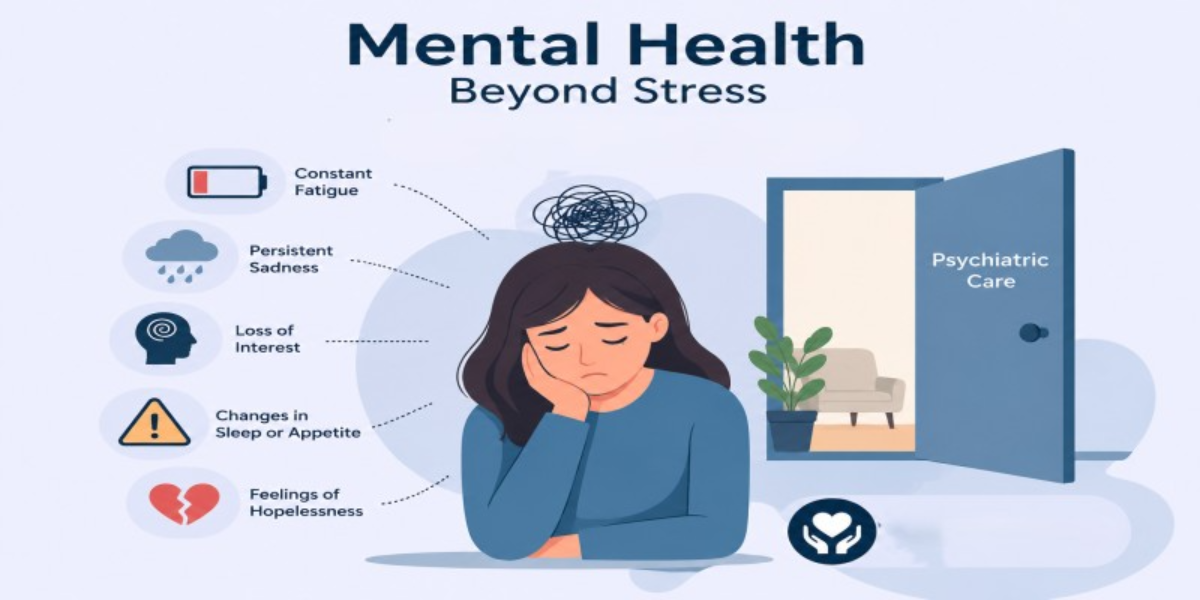
It is vital to recognize that chronic fatigue is not strictly limited to physical ailments, as mental health conditions exert an immense toll on the body's physical reserves. Chronic stress, generalized anxiety disorder, and clinical depression are incredibly demanding on the central nervous system.
Living in a constant state of hyperarousal or dealing with the heavy emotional burden of depression alters brain chemistry and keeps stress hormones like cortisol elevated for extended periods. This prolonged psychological strain eventually exhausts the nervous system, disrupts deep sleep architecture, and leaves individuals feeling completely physically incapacitated.
Deciphering Red Flags and Medical Timelines
Because fatigue is such a subjective and universal experience, many people delay seeking professional help, assuming that their lack of energy is merely a normal consequence of a demanding life. However, waiting too long to address persistent exhaustion can allow an underlying, treatable illness to progress into a much more severe health crisis.
Knowing exactly when to transition from self-care strategies to a structured clinical evaluation is a crucial step in safeguarding your long-term well-being. A reliable baseline rule of thumb utilized by healthcare professionals is the two-week rule.
This rule states that any unexplained, profound fatigue that persists for more than fourteen consecutive days despite getting adequate rest and maintaining a balanced diet requires formal medical investigation. This timeframe is generally long enough for the body to recover from transient viral infections or temporary periods of acute situational stress.
Analyzing Weight Loss and Appetite Changes
Beyond the duration of the tiredness, the presence of specific accompanying symptoms serves as a critical red flag that you should never ignore. For instance, if your profound lack of energy is paired with unexplained weight loss or a sudden, total loss of appetite, it can indicate a serious systemic issue.
Such combinations frequently point toward chronic inflammatory issues, metabolic malfunctions, or other serious systemic conditions. Sudden weight loss shows that the body is consuming energy at an abnormal rate while struggling to maintain its basic structural integrity.
Monitoring Cardiovascular and Respiratory Signs
Similarly, you must pay close attention if you find yourself experiencing shortness of breath, chest discomfort, or an irregular, fluttering heartbeat during minimal physical exertion. In these situations, your fatigue may be a secondary symptom of an underlying cardiovascular problem.
Conditions like heart failure, poor circulation, or heart valve disorders prevent oxygenated blood from moving efficiently. When your tissues do not receive adequate blood flow, the immediate consequence is a heavy, suffocating sensation of exhaustion.
Watching for Inflammation and Chronic Pain
Additionally, your exhaustion might be accompanied by persistent, severe headaches, unexplained muscle weakness, localized joint pain, or a recurring low-grade fever. If you notice these symptoms developing together, it could indicate a chronic infectious process or a systemic inflammatory condition.
Autoimmune disorders keep the immune system in a permanent state of war, which drains your physical energy reserves very quickly. These complex presentations require specialized medical intervention to manage effectively and safely.
Designing Evidence-Based Recovery Plans
To truly reclaim your vitality and return to a vibrant, active life, you should never have to resort to guesswork or rely on generic, unproven supplements that promise quick energy fixes. True healing requires targeted clinical protocols.
Accessing the Best Internal Medicine services ensures that you receive a highly individualized, evidence-based care plan tailored specifically to the unique biochemical imbalances discovered during your diagnostic workup.
Whether your treatment plan involves correcting a profound iron deficiency, regulating thyroid hormone levels through precise medication, managing insulin resistance, or addressing sleep architecture disorders, a structured medical approach targets the true root cause of your exhaustion rather than merely masking the symptoms with temporary stimulants.
Conclusion
Fatigue is an undeniable part of the human experience, but when it becomes a permanent fixture in your daily life, it crosses the line from a minor lifestyle inconvenience to a definitive health warning. Your body relies on a delicate, highly synchronized balance of hormones, nutrients, cardiovascular efficiency, and neurological rest to function at its peak potential.
When that internal harmony is disrupted, persistent tiredness is the primary language your system uses to ask for help. Rather than attempting to power through the fog or dismissing your symptoms as an unavoidable byproduct of a busy life, it is essential to listen to what your body is trying to communicate.
Partnering with internal medicine professionals allows you to peel back the layers of your symptoms, uncover the precise biological cause of your low energy, and safely rebuild your health, vitality, and quality of life from the inside out.
Share on Social Media
Recommended For You





















Readers Also Viewed These Articles
Categories
- Medicine
- Surgery Department
- Emergency Care
- Anaesthesia
- Cardiology and Cardiac Catheterization
- Dentistry
- ENT (Ear, Nose & Throat)
- Health
- Surgery
- Departments
News & Events





Get in touch with us today to get medical services
Ali Fatima Hospital
Bhobtian Avenue, 9 Km Raiwind Rd, Lahore
- EMAIL US: info@afh.org.pk
- CALL US: 042-35459806
Subscribe Our Newsletter
Copyright 2026. All Rights Reserved By AFH