


Brain Tumor Warning Signs: When Should You See a Neurosurgeon?
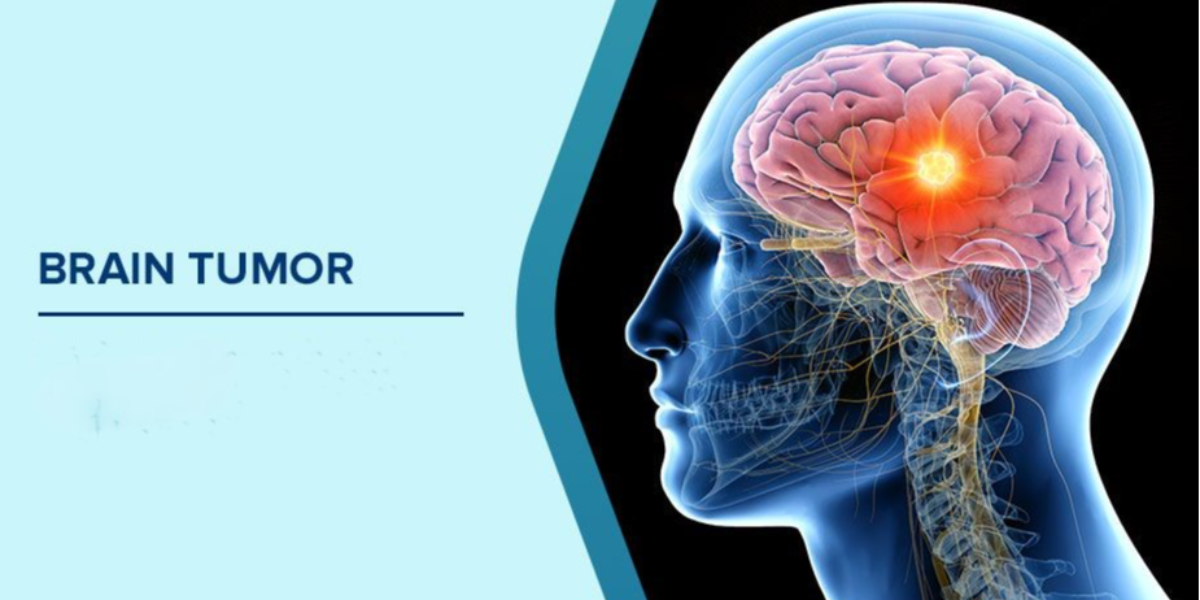
When we think about our health, neurological symptoms can be some of the most unsettling to experience. The brain acts as the complex control center for everything we do, think, and feel. Because of this structural importance, even tiny disruptions within the skull can manifest as noticeable physical or mental changes that require specialized evaluation from a dedicated Neurosurgery department. While the phrase "brain tumor" is deeply frightening, it is important to remember that many tumors are non-cancerous (benign) and highly treatable when caught early.
Understanding the subtle indicators your brain sends out can ensure you receive life-saving medical care exactly when you need it. The physical location of a growth dictates how it impacts your body, meaning symptoms can range from sensory changes to physical movement struggles.
Tracking Changes in Your Headaches
Headaches are incredibly common, and almost everyone deals with them from time to time due to stress, dehydration, or lack of sleep. However, a headache caused by a brain tumor typically behaves quite differently from an ordinary tension headache or migraine.
The Morning Headache Pattern
A classic warning sign of increased pressure inside the skull is a headache that is noticeably worse first thing in the morning. When you lie flat all night, fluid pressure in the brain naturally builds up. A growing tumor intensifies this effect, causing you to wake up with a dull, aching pain that may slightly improve once you stand up and start moving around.
Headaches That Worsen with Movement
If you notice that your head pain sharply intensifies when you cough, sneeze, bend over, or exercise, it deserves careful attention. These sudden physical movements cause brief spikes in intracranial pressure. If a tumor is already taking up limited space inside the skull, these pressure changes can trigger sudden bursts of pain.
Changes in Headache Frequency and Intensity
You should always pay attention to any headache that breaks your normal baseline pattern. If you are someone who rarely gets headaches, but suddenly develops a persistent, throbbing pain that steadily worsens over days or weeks, it is a clear sign that you need a professional medical evaluation.
Noticing Unexplained Neurological Changes
Because different parts of the brain control different bodily functions, the exact symptoms of a tumor depend entirely on its location. A tumor growing in a specific region will disrupt that area's dedicated tasks.
Unexpected Seizures and Fits
Developing a seizure when you have no prior history of epilepsy or neurological disorders is one of the most direct red flags of a brain tumor. A tumor can irritate the surrounding brain tissue, disrupting the normal electrical pathways and triggering sudden, involuntary seizures or muscle convulsions.
Progressive Vision and Hearing Shifts
Gradual, unexplained changes in your senses can point toward a growth pressing against your cranial nerves. For complex, ambiguous, or high-risk neurological conditions, seeking a direct consultation with a clinical authority, such as a Head of the Department of Neurosurgery, ensures you receive the highest tier of diagnostic accuracy. This specialized intervention helps differentiate simple sensory degradation from tumor-induced nerve compression.
Loss of Balance and Coordination
If you suddenly find yourself stumbling, struggling to maintain your balance while walking, or experiencing unexplained clumsiness, your cerebellum, the brain's coordination center, might be under pressure. You might also notice localized weakness or numbness on just one side of your face or body, similar to stroke symptoms.
Watching for Hidden Cognitive and Mood Shifts
Not all warning signs are purely physical. Often, the earliest clues of a brain tumor involve subtle changes in how a person thinks, acts, or communicates, which can easily be mistaken for stress or aging.
Persistent Speech and Language Struggles
Struggling to find the right words, slurring your speech, or finding yourself unable to understand simple conversations can point to a disruption in the brain's language centers. While occasional forgetfulness is normal, a sudden and progressive struggle to communicate effectively is a distinct warning sign.
Sudden Personality and Mood Alterations
If a normally calm individual suddenly exhibits intense irritability, unexplained mood swings, or uncharacteristic apathy, the frontal lobe of the brain may be affected. Family members are often the first to notice these behavioral shifts, which can occur because the tumor is pressing against the areas that govern emotional regulation.
Progressive Memory Loss and Confusion
Experiencing sudden confusion, difficulty concentrating, or an inability to manage everyday, familiar tasks can indicate neurological strain. When these memory struggles worsen continuously over a short period, rather than happening occasionally, it warrants immediate clinical exploration.
When to Consult a Specialized Surgical Expert
Experiencing one or two of these symptoms does not automatically mean you have a brain tumor, but it does mean your nervous system is asking for help. If your symptoms are persistent, progressive, or completely new, waiting to see if they disappear on their own can be dangerous.
Time is your most valuable asset when dealing with complex neurological health concerns.
Choosing a multi-specialty medical center like Ali Fatima Hospital provides you with the modern diagnostic technology, intensive care infrastructure, and surgical expertise necessary to protect your brain health and guide you safely toward a full recovery. Neurosurgeons at advanced facilities possess the specialized training required to interpret sophisticated imaging studies, like MRI and CT scans, and determine the safest path forward.
Conclusion
Your brain is incredibly resilient, but it has a limited amount of room inside the skull to cope with unexpected changes. Persistent morning headaches, sudden seizures, unexpected vision shifts, or unexplained changes in your personality are all clear, urgent ways your central nervous system communicates that something is wrong.
Ignoring these warning signs or assuming they are just temporary side effects of a stressful life can allow a manageable condition to become significantly more dangerous. Taking action early is not an act of panic; it is an act of empowerment. By paying close attention to your body’s signals and partnering with experienced neurosurgical specialists, you give yourself the best possible chance at an accurate diagnosis, a successful recovery, and long-term peace of mind
Share on Social Media
Recommended For You



















Readers Also Viewed These Articles
Categories
- Medicine
- Surgery Department
- Emergency Care
- Anaesthesia
- Cardiology and Cardiac Catheterization
- Dentistry
- ENT (Ear, Nose & Throat)
- Health
- Surgery
- Departments
Get in touch with us today to get medical services
Ali Fatima Hospital
Bhobtian Avenue, 9 Km Raiwind Rd, Lahore
- EMAIL US: info@afh.org.pk
- CALL US: 042-35459806
Subscribe Our Newsletter
Copyright 2026. All Rights Reserved By AFH