


Kidney Stones in Young Adults: Prevention, Early Symptoms, and Modern Treatment Options
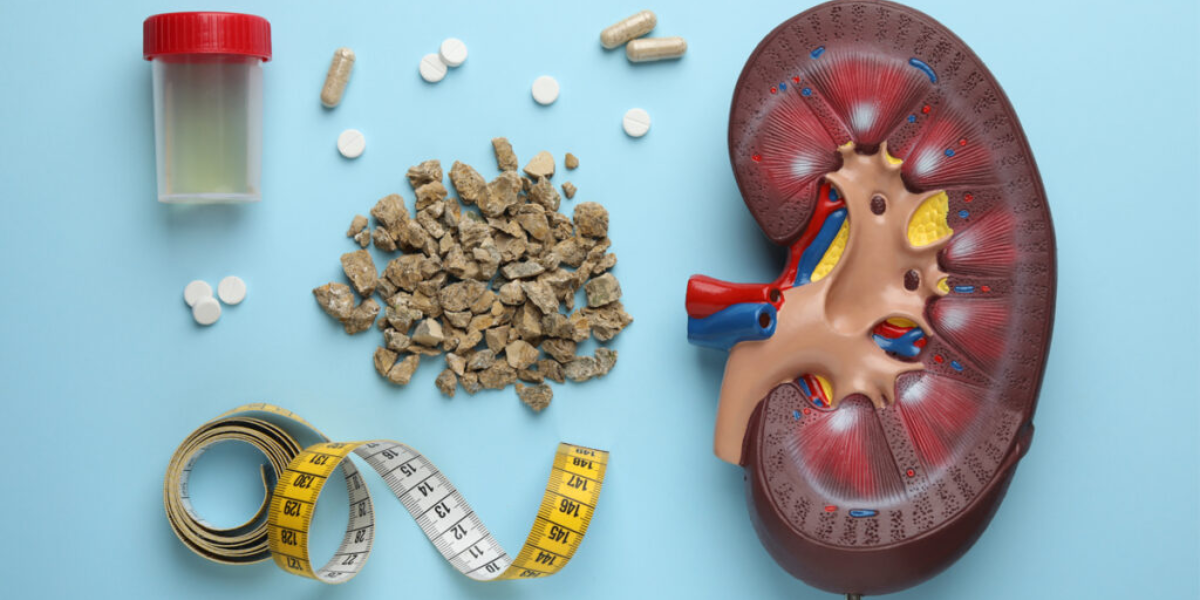
Kidney stones were once widely considered a health issue that primarily affected older individuals. However, urologists worldwide are observing a striking shift in patient demographics. Today, an increasing number of teenagers, university students, and young working professionals in their twenties and thirties are ending up in emergency rooms facing the agonizing pain of renal calculi.
This rising trend is closely tied to rapid changes in modern lifestyle habits, dietary shifts, and environmental factors. In Pakistan, the combination of hot weather and high-sodium diets creates a perfect storm for stone formation. Understanding why this condition is shifting toward younger generations is essential to protecting your long-term renal health. Consulting a specialized Urology Department early on provides the necessary guidance to manage and prevent this painful condition.
Why Are Kidney Stones Rising Among Young Adults?
The modern lifestyle of young adults relies heavily on convenience, which often translates to a high intake of processed foods, fast food, and carbonated beverages. These dietary choices are packed with excessive salt, refined sugars, and animal proteins, all of which directly increase the concentration of stone-forming minerals like calcium, oxalate, and uric acid in the urine.
Additionally, the rise of sedentary desk jobs means many young professionals spend long hours in air-conditioned rooms without moving much. This physical inactivity, paired with a general lack of dietary mindfulness, alters how the body processes waste products, making it easier for crystals to bind together in the kidneys.
The Critical Role of Hydration and Dehydration
Dehydration is single-handedly the most common trigger for kidney stone formation, especially in a warm climate. When a young adult fails to drink enough water throughout the day, their urine output drops significantly, causing the urine to become highly concentrated and dark in color.
In highly concentrated urine, minerals do not stay dissolved. Instead, they begin to precipitate out, forming tiny crystal seeds that gradually attract more minerals over time. Drinking adequate amounts of plain water is the simplest, most effective way to keep these minerals diluted and naturally flush them out of the system before they turn into hard stones.
Recognizing the Early Symptoms of Kidney Stones
Kidney stones often develop silently, causing no discomfort while sitting quietly inside the kidney. The trouble begins when the stone detaches and tries to travel down the ureter, the narrow tube leading to the bladder.
The most definitive symptom is sudden, excruciating pain in the back or side, just below the ribs, which often radiates down to the lower abdomen and groin. This pain frequently comes in intense waves and varies in severity as the body tries to push the stone out. Other early indicators include a persistent, burning sensation during urination, an unusually frequent urge to go, and urine that appears cloudy, foul-smelling, or pinkish due to trace amounts of blood.
Understanding Systemic Body Warnings
The human body operates as an interconnected network, meaning that a sudden medical crisis in one organ system is often a warning sign of wider systemic vulnerabilities. For instance, experiencing metabolic changes that lead to recurrent kidney stones can sometimes point to broader dietary, inflammatory, or circulatory imbalances within the body.
Just as a sudden urinary crisis requires immediate specialist attention, experiencing unexplained fatigue, high blood pressure, or chest discomfort alongside metabolic issues serves as a vital reminder to look at the bigger picture. In such cases, it pays to listen to Your Heart by pursuing early screening to ensure your cardiovascular and metabolic systems are functioning safely alongside your kidney health.
Modern Diagnostic Methods in Urology
When a patient presents with symptoms of a kidney stone, modern urological clinics utilize advanced, rapid diagnostic imaging to pinpoint the exact location, size, and density of the obstruction. Ultra-fast, low-dose CT scans and high-resolution ultrasounds allow doctors to see the stone with crystal clarity without exposing young patients to heavy radiation.
Getting an accurate diagnostic map right away is essential. Knowing whether a stone is a tiny 3mm crystal or a large 10mm blockage changes the entire treatment roadmap, saving the patient from unnecessary pain and preventing long-term kidney swelling or infection.
Minimally Invasive Treatment Options
The days of undergoing large, painful open surgeries to remove kidney stones are long gone. Modern urology relies almost entirely on advanced, minimally invasive techniques that allow patients to clear their stones with minimal discomfort and return to their normal routines within a few days.
For medium-sized stones, specialists frequently use Extracorporeal Shock Wave Lithotripsy (ESWL), which uses targeted acoustic shockwaves from outside the body to break the stone into tiny, sand-like particles that can be passed naturally in the urine. For stones lodged deeper in the urinary tract, laser lithotripsy via a tiny, flexible ureteroscope allows the surgeon to directly visualize and pulverize the stone with zero external incisions.
Prevention Strategies for Long-Term Relief
Passing a kidney stone once does not mean the battle is over; young adults who form one stone have a very high chance of developing another within five to ten years if they do not modify their habits. Long-term prevention requires a permanent shift toward a balanced, healthy lifestyle.
Beyond drinking plenty of fluids to maintain clear urine, young adults should focus on cutting back on dietary sodium, reducing their consumption of heavy animal proteins, and limiting intake of oxalate-rich foods if they are prone to calcium-oxalate stones. Regular physical movement and maintaining a healthy body weight also play a massive role in regulating the metabolic pathways that prevent stone formation.
Trusting Advanced Clinical Leadership
Taking charge of your urinary health means seeking care from an established medical facility equipped with advanced surgical tools and led by proven clinical experts. Because kidney stones can cause sudden, debilitating complications if mismanaged, having your diagnostic results and treatment plan guided by a seasoned specialist prevents permanent renal damage.
Entrusting your recovery to a highly experienced professional, such as a dedicated Head of the Department of Urology, guarantees that you receive the highest standard of personalized care. This expert leadership ensures that from your initial emergency diagnosis to your long-term stone prevention strategy, your health is managed safely, smoothly, and effectively.
Conclusion
Kidney stones are an increasingly common reality for young adults, but they are also highly manageable and largely preventable. Ignoring early symptoms like persistent side pain or changes in urination can quickly escalate into a medical emergency, potentially risking long-term kidney function. By prioritizing daily hydration, adopting a mindful diet, and seeking timely help from urological specialists, you can easily protect your urinary tract from painful blockages. Modern medicine offers quick, minimally invasive solutions to get you back on your feet fast, allowing you to safeguard your health and focus on your future with complete peace of mind.
Share on Social Media
Recommended For You

















Readers Also Viewed These Articles
Categories
- Medicine
- Surgery Department
- Emergency Care
- Anaesthesia
- Cardiology and Cardiac Catheterization
- Dentistry
- ENT (Ear, Nose & Throat)
- Health
- Surgery
- Departments
Get in touch with us today to get medical services
Ali Fatima Hospital
Bhobtian Avenue, 9 Km Raiwind Rd, Lahore
- EMAIL US: info@afh.org.pk
- CALL US: 042-35459806
Subscribe Our Newsletter
Copyright 2026. All Rights Reserved By AFH