


High Arch Feet: Why This Common Condition Shouldn't Be Ignored
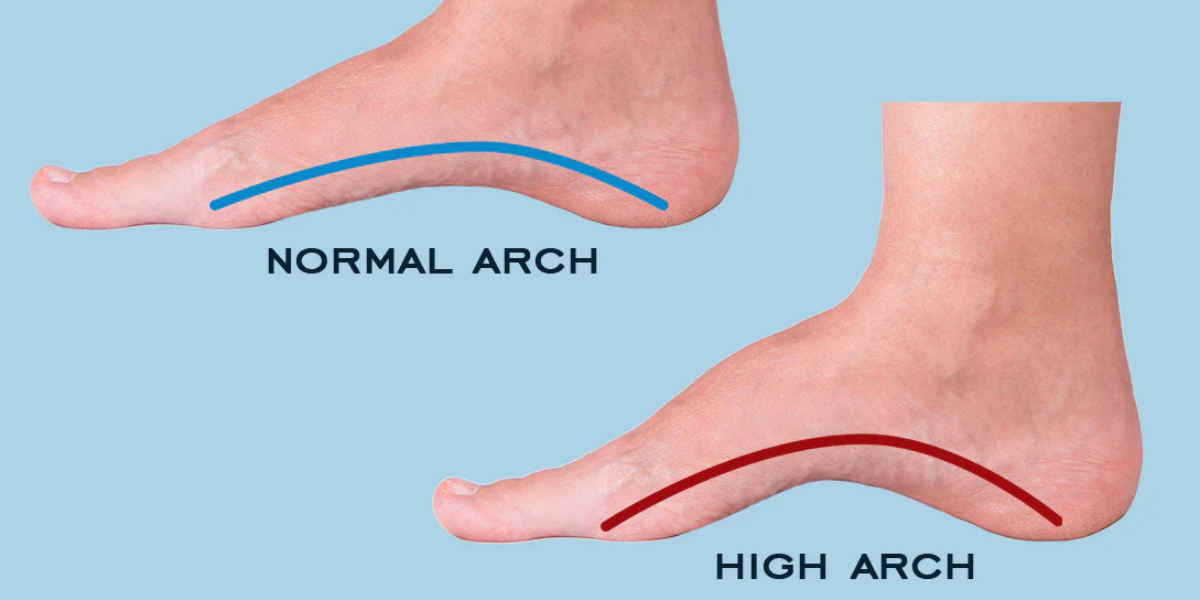
While many people focus on flat feet, having an abnormally high arch a condition medically known as Cavus Foot can be equally, if not more, problematic. Our feet are the foundation of our body, and even a slight structural imbalance can lead to a domino effect of pain reaching up to the ankles, knees, and back.
What Exactly is High Arch Foot (Cavus Foot)?
A high arch foot is characterized by a foot shape where the arch remains high even while standing. Unlike a normal foot, where the middle part touches the ground slightly to distribute weight, a high arch forces the majority of your body weight onto the ball and the heel of the foot. This uneven distribution of pressure is why people with high arches often complain of fatigue and localized pain after even short periods of walking.
Common Symptoms and Complications
High arches are more than just a shape. If left unmanaged, they can lead to several painful conditions:
- Hammer Toes & Claw Toes: Because of the structural strain, the toes can become permanently bent or clenched.
- Calluses: Thickened skin often develops on the ball, heel, or side of the foot due to excessive friction.
- Ankle Instability: People with Cavus foot often experience frequent ankle sprains because the foot tends to tilt inward.
- Plantar Fasciitis: The high arch puts extreme tension on the ligament (plantar fascia), leading to sharp heel pain.
Why Do High Arches Develop?
For many, this condition is hereditary you are simply born with this foot structure. However, in some cases, a high arch can develop suddenly due to neurological disorders such as Cerebral Palsy, Spina Bifida, or Charcot-Marie-Tooth disease. If you notice your arch getting higher over time, it is a sign that you need a medical evaluation immediately.
Expert Orthopedic Care at Ali Fatima Hospital (AFH)
At Ali Fatima Hospital (AFH), we understand that every step counts. Our Orthopedic Department is equipped with specialized diagnostic tools to assess the severity of foot deformities. Our expert surgeons and consultants prioritize a patient-centered approach, ensuring that your foot pain is addressed through a combination of advanced diagnostics and personalized care. Whether your condition is genetic or related to other medical issues, AFH provides a comprehensive environment where the Medicine and Physiotherapy departments work together to restore your mobility.
Treatment Options: From Orthotics to Surgery
Most cases of high arch feet do not require surgery and can be managed through:
- Orthotic Devices: Custom-made shoe inserts can help redistribute weight and provide cushioning.
- Specialized Footwear: High-top shoes or shoes with wider heels can offer better ankle support.
- Bracing: In cases of foot drop or extreme instability, a brace can help keep the foot in a neutral position.
In severe cases where non-surgical methods fail to provide relief, the orthopedic surgeons at AFH may recommend surgical intervention to flatten the arch or stabilize the foot.
Conclusion
Your feet carry the weight of your entire world. Ignoring high arch pain can lead to long-term mobility issues and permanent toe deformities. If you are experiencing discomfort, a consultation with a specialist can help you find the right support and prevent future complications. For more informative blogs regarding health and medical advancements, visit our blog section.
Share on Social Media
Recommended For You





















Readers Also Viewed These Articles
Categories
- Medicine
- Surgery Department
- Emergency Care
- Anaesthesia
- Cardiology and Cardiac Catheterization
- Dentistry
- ENT (Ear, Nose & Throat)
- Health
- Surgery
- Departments

Get in touch with us today to get medical services
Ali Fatima Hospital
Bhobtian Avenue, 9 Km Raiwind Rd, Lahore
- EMAIL US: info@afh.org.pk
- CALL US: 042-35459806
Subscribe Our Newsletter
Copyright 2026. All Rights Reserved By AFH