


Stomach Pain After Eating: Common Causes and Warning Signs
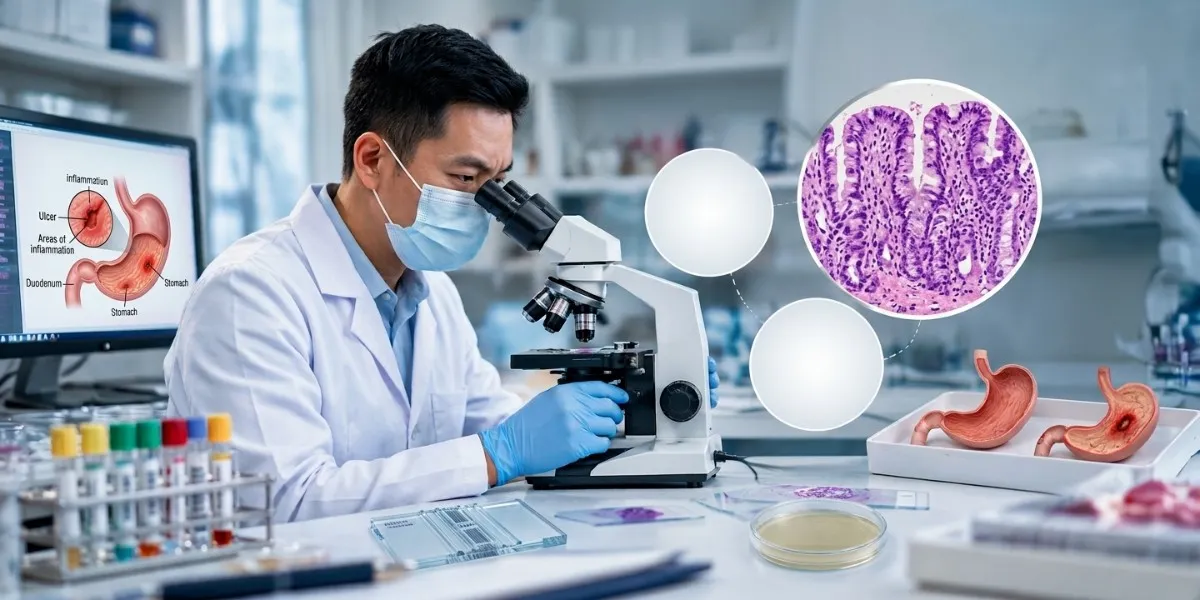
Stomach pain after eating is a common problem that can occur for several reasons, from eating too quickly to digestive conditions that need medical attention. The pain may feel like burning, cramping, bloating, or pressure in the upper or lower abdomen. Sometimes it settles on its own, while in other cases, it returns after meals or becomes more severe.
Understanding when stomach pain occurs, where it is located, and whether other symptoms accompany it can help identify possible causes. If the discomfort keeps returning or affects your daily routine, a medical assessment can help determine what is causing it and whether treatment is needed.
What Causes Stomach Pain After Eating?
Stomach pain after meals does not always mean there is a problem with the stomach itself. The discomfort may come from the stomach, intestines, gallbladder, or other organs involved in digestion. The cause often depends on the location, timing, severity, and duration of the pain.
1. Indigestion
Indigestion, also called dyspepsia, can cause discomfort in the upper abdomen during or after a meal. It may occur after eating large meals, eating too quickly, or consuming foods that trigger symptoms.
Common symptoms include:
- Upper abdominal discomfort or burning
- Feeling full sooner than expected
- Uncomfortable fullness after eating
- Bloating or nausea
- Belching
Occasional indigestion may improve with smaller meals and slower eating. However, frequent or persistent symptoms should be assessed by a healthcare professional.
2. Acid Reflux and Heartburn
Acid reflux occurs when stomach contents flow back into the oesophagus, the tube connecting the mouth to the stomach. It can cause a burning sensation in the chest or upper abdomen, particularly after meals.
Symptoms may become more noticeable after large or fatty meals or when lying down soon after eating. Some people also experience a sour taste in the mouth or food coming back up.
Eating smaller portions and avoiding lying down for two to three hours after meals may help reduce symptoms. Frequent heartburn or difficulty swallowing requires medical assessment.
3. Gastritis
Gastritis refers to inflammation of the stomach lining. It can be associated with an infection such as Helicobacter pylori (H. pylori), regular use of certain pain-relieving medicines, and other factors.
Possible symptoms include upper abdominal discomfort, nausea, and feeling full after eating. Some people with gastritis have no noticeable symptoms.
Treatment depends on the underlying cause. If symptoms persist, a doctor may recommend tests and appropriate treatment rather than relying on home remedies alone.
4. Food Intolerance
Some people experience abdominal pain, bloating, gas, or diarrhoea after consuming particular foods. This may happen when the digestive system has difficulty processing certain ingredients.
For example, people with lactose intolerance may develop symptoms after consuming milk or other dairy products. Other foods may also trigger symptoms in sensitive individuals.
Keeping a food and symptom diary can help identify patterns. Avoid removing several food groups from your diet without professional advice, particularly if doing so could affect your nutritional intake.
5. Constipation and Gas
Gas can build up in the digestive tract during digestion, while constipation can cause abdominal discomfort and a feeling of fullness. Both may become more noticeable after meals.
Common signs include bloating, cramping, excessive gas, infrequent bowel movements, or difficulty passing stool.
Drinking enough water, eating fibre-rich foods, and staying physically active may help support regular bowel movements. If constipation is persistent or accompanied by severe pain, vomiting, or an inability to pass gas, seek medical attention.
6. Gallstones
The gallbladder stores bile, which helps the body digest fats. Gallstones can sometimes block the flow of bile and cause pain, often in the upper right abdomen or upper middle abdomen.
The pain may occur after a meal, particularly a fatty meal, and may spread to the back or right shoulder. Episodes can last from several minutes to a few hours.
Severe or persistent upper abdominal pain, especially with fever, vomiting, or yellowing of the skin or eyes, requires urgent medical assessment.
7. Irritable Bowel Syndrome (IBS)
Irritable bowel syndrome is a digestive condition that can cause recurring abdominal pain associated with changes in bowel habits. Some people experience constipation, others diarrhoea, and some alternate between both.
Symptoms may include bloating, cramps, and abdominal discomfort that changes after passing stool. Certain foods and stress may worsen symptoms in some individuals.
Because other conditions can cause similar symptoms, a healthcare professional should assess recurring abdominal pain and changes in bowel habits before diagnosing IBS.
8. Peptic Ulcers
Peptic ulcers are open sores that develop in the lining of the stomach or the first part of the small intestine. Common causes include H. pylori infection and the use of non-steroidal anti-inflammatory drugs (NSAIDs), such as ibuprofen.
Ulcers can cause upper abdominal pain or burning. In some people, eating makes the pain worse, while in others, food temporarily relieves it.
Seek medical advice for recurring upper abdominal pain. Vomiting blood or passing black, tarry stools may indicate bleeding and requires emergency medical care.
When to Consult a Gastroenterologist
If stomach pain repeatedly occurs after meals, does not improve, or comes with other digestive symptoms, it is worth seeking medical advice. A gastroenterologist specializes in conditions affecting the digestive system, including the stomach, intestines, liver, and gallbladder.
At Ali Fatima Hospital, you can learn more about Dr. Afia Munir, Assistant Professor of Gastroenterology, when exploring specialist care for digestive concerns. A medical assessment can help identify possible causes of your symptoms and determine whether further tests or treatment are needed.
When Should You Worry About Stomach Pain After Eating?
Occasional mild discomfort may not indicate a serious problem. However, repeated pain, worsening symptoms, or pain accompanied by other concerning signs should not be ignored.
Arrange a medical appointment if you experience:
- Stomach pain that keeps returning after meals
- Persistent indigestion or heartburn
- Unexplained weight loss
- Ongoing nausea or vomiting
- Difficulty swallowing
- Changes in bowel habits that do not resolve
- A reduced appetite or feeling full after eating very little
Seek urgent medical care if you experience sudden or severe abdominal pain, a hard or very tender abdomen, vomiting blood, black or bloody stools, fainting, or abdominal pain accompanied by fever and jaundice. Do not assume severe pain is simply indigestion.
How Can You Reduce Stomach Pain After Eating?
The most suitable approach depends on the cause of your symptoms. A few practical changes may help with mild, occasional discomfort.
Eat Smaller Meals
Large meals can increase fullness and may worsen indigestion or reflux. Try eating smaller portions and taking your time during meals.
Identify Foods That Trigger Symptoms
Notice whether symptoms occur after particular foods or drinks. Fatty meals, spicy foods, caffeine, or dairy products may trigger symptoms in some people, but triggers vary.
A food diary can help you identify patterns without unnecessarily restricting your diet.
Avoid Lying Down Immediately After Eating
If you experience heartburn or acid reflux, remain upright for two to three hours after meals. This may reduce the likelihood of stomach contents flowing back into the oesophagus.
Stay Hydrated and Remain Active
Drinking enough water and engaging in regular physical activity may support digestion and help prevent constipation.
Avoid Taking Medicines Without Advice
Some pain relievers, including ibuprofen and other NSAIDs, can irritate the stomach and increase the risk of ulcers. Consult a healthcare professional before using medication for recurring abdominal pain, especially if you have other medical conditions or take regular medicines.
Home measures may help with mild symptoms, but persistent pain needs assessment to identify the underlying cause.
How Is Stomach Pain After Eating Diagnosed?
A doctor will usually ask about the location of your pain, when it starts, how long it lasts, what you eat, and whether you have other symptoms. They may also ask about your medical history and any medicines you take.
Depending on your symptoms, the assessment may involve:
- A physical examination
- Blood or stool tests
- Testing for H. pylori infection
- An ultrasound if a gallbladder or other abdominal problem is suspected
- An endoscopy to examine the upper digestive tract when indicated
Not everyone needs all these tests. The appropriate investigations depend on the symptoms and the suspected cause.
Conclusion
Stomach pain after eating can result from everyday digestive issues or an underlying medical condition. Indigestion, acid reflux, food intolerance, constipation, gallstones, and ulcers are among the possible causes, but symptoms alone cannot confirm a diagnosis.
Pay attention to recurring symptoms, identify possible food triggers, and seek medical advice if the discomfort persists or affects your daily life. Severe pain or signs of bleeding require urgent care. Getting the right assessment can help you understand the cause and choose an appropriate treatment plan.
Share on Social Media
Recommended For You







Readers Also Viewed These Articles
Categories
- Medicine
- Surgery Department
- Emergency Care
- Anaesthesia
- Cardiology and Cardiac Catheterization
- Dentistry
- ENT (Ear, Nose & Throat)
- Health
- Surgery
- Departments
Get in touch with us today to get medical services
Ali Fatima Hospital
Bhobtian Avenue, 9 Km Raiwind Rd, Lahore
- EMAIL US: info@afh.org.pk
- CALL US: 042-35459806
Subscribe Our Newsletter
Copyright 2026. All Rights Reserved By AFH