


Causes of Infertility in Women and Available Treatment Options
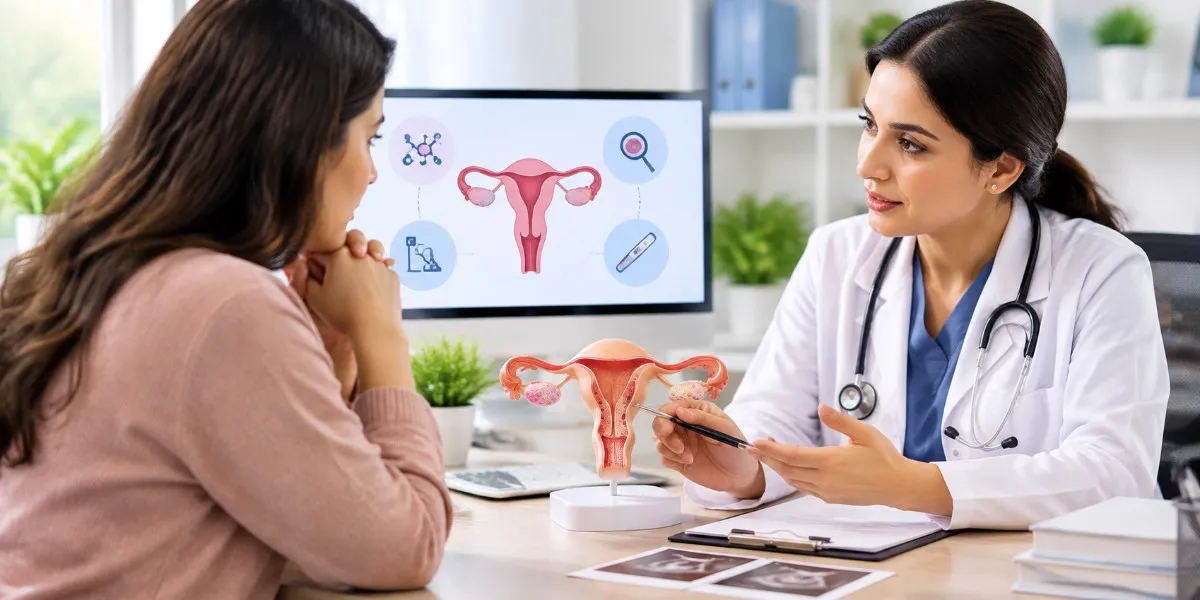
Infertility can be an emotional and confusing experience, especially when pregnancy doesn't happen despite trying for months. The good news is that many causes of female infertility can be identified through medical tests, and treatment may help improve the chances of pregnancy.
Understanding the possible causes, recognising when to seek help, and speaking with a qualified gynaecologist are important steps towards finding the right solution.
What Is Female Infertility?
Female infertility refers to difficulty becoming pregnant due to factors affecting ovulation, the fallopian tubes, the uterus, or other aspects of reproductive health. Infertility is generally assessed when pregnancy has not occurred after 12 months of regular, unprotected sex.
However, women aged 35 or older should usually seek an evaluation after six months of trying. Women over 40, or those with irregular periods, known reproductive conditions, or a history of pelvic infections, may benefit from seeking medical advice earlier.
Infertility does not always mean pregnancy is impossible. The chances of conception depend on the underlying cause, age, overall health, and available treatment options.
Common Causes of Infertility in Women
Several medical conditions and reproductive factors can affect a woman's ability to conceive. Identifying the cause is an important part of choosing suitable treatment.
1. Ovulation Problems
Ovulation occurs when an ovary releases an egg. If ovulation happens irregularly or does not occur, pregnancy may become difficult.
Common signs of ovulation problems include irregular periods, missed periods, or menstrual cycles that vary considerably in length. Hormonal imbalances, stress, significant weight changes, and certain medical conditions can affect ovulation.
2. Polycystic Ovary Syndrome (PCOS)
Polycystic ovary syndrome (PCOS) is a common hormonal condition that can interfere with regular ovulation. Women with PCOS may experience irregular periods, acne, excess facial or body hair, or weight-related concerns, although symptoms vary.
PCOS does not mean a woman cannot become pregnant. Depending on her circumstances, treatment may include lifestyle changes, management of associated health concerns, and medication to help stimulate ovulation.
3. Age-Related Fertility Changes
A woman's fertility generally declines with age, particularly after the mid-30s. This is partly because the number and quality of eggs decrease over time.
Age can also affect the likelihood of miscarriage and the success of some fertility treatments. Women who plan to delay pregnancy or have concerns about their fertility may benefit from discussing their options with a gynaecologist.
4. Blocked or Damaged Fallopian Tubes
The fallopian tubes carry the egg from the ovary towards the uterus. If these tubes are blocked or damaged, the egg and sperm may not meet.
Possible causes include pelvic inflammatory disease, previous pelvic or abdominal surgery, endometriosis, and certain infections. A condition affecting the fallopian tubes may not cause noticeable symptoms, so specific investigations may be needed to identify it.
5. Endometriosis
Endometriosis occurs when tissue similar to the lining of the uterus grows outside it. It can cause painful periods, pelvic pain, pain during sex, and sometimes difficulty becoming pregnant.
The condition may affect fertility by contributing to inflammation, scarring, or changes involving the ovaries and fallopian tubes. Treatment depends on the severity of symptoms, the woman's age, and whether she is trying to conceive.
6. Uterine Problems and Fibroids
The uterus plays an important role in pregnancy because a fertilised egg needs to implant in its lining. Certain uterine conditions may interfere with implantation or increase the risk of pregnancy complications.
These may include some fibroids, uterine polyps, adhesions, or structural differences in the uterus. Not every fibroid affects fertility, so treatment decisions depend on its size, location, symptoms, and impact on reproductive health.
7. Hormonal and Thyroid Disorders
Hormones help regulate the menstrual cycle and ovulation. Conditions affecting the thyroid gland or other hormone-producing systems may interfere with these processes.
Women with irregular periods, unexplained changes in menstrual flow, or other symptoms of hormonal imbalance may need blood tests and a medical assessment. Treating an underlying condition may help improve reproductive health.
8. Pelvic Infections and Previous Surgery
Some pelvic infections can cause inflammation and scarring that damage the fallopian tubes. Previous surgery involving the reproductive organs may also affect fertility in certain cases.
Early diagnosis and appropriate treatment of infections are important. If you have a history of pelvic infection or surgery and are finding it difficult to conceive, discuss this with your healthcare provider.
9. Unexplained Infertility
Sometimes, initial fertility investigations do not reveal a clear cause. This is known as unexplained infertility.
It does not mean that nothing can be done. A fertility specialist may review previous test results, assess factors affecting both partners, and discuss whether further evaluation or treatment is appropriate.
Symptoms That May Be Associated With Female Infertility
Difficulty becoming pregnant is often the main sign of infertility. However, some underlying conditions may cause additional symptoms.
Watch for:
- Irregular, absent, or unusually infrequent periods.
- Very painful menstruation or persistent pelvic pain.
- Pain during sexual intercourse.
- Unusual changes in menstrual bleeding.
- Excess facial hair or persistent acne associated with hormonal changes.
- A history of pelvic infections or reproductive health conditions.
Some women have no noticeable symptoms at all. Regular periods do not guarantee that every aspect of fertility is normal, so an evaluation may still be useful when pregnancy does not occur within the recommended timeframe.
How Is Female Infertility Diagnosed?
The first step is a consultation with a gynaecologist or fertility specialist. The doctor will usually review your medical history, menstrual cycle, previous pregnancies, medications, and how long you have been trying to conceive.
Depending on your circumstances, investigations may include the following.
Blood tests: These may assess thyroid function, selected reproductive hormones, or other conditions suspected of affecting ovulation.
Pelvic ultrasound: An ultrasound can help assess the ovaries and uterus and identify some conditions, such as ovarian cysts or fibroids.
Ovulation assessment: Your doctor may recommend methods to determine whether ovulation is occurring regularly.
Fallopian tube tests: A test such as a hysterosalpingogram (HSG) may be used to check whether the fallopian tubes are open.
Assessment of both partners: Fertility is a shared issue. A semen analysis may be recommended for the male partner alongside the woman's investigations.
Not every patient needs every test. The appropriate assessment depends on age, symptoms, medical history, and previous results.
Treatment Options for Female Infertility
The best treatment for female infertility depends on the underlying cause. Some women may benefit from treating a hormonal condition, while others may need fertility procedures or specialist care.
1. Lifestyle Changes
Healthy habits can support general and reproductive health. A doctor may recommend maintaining a suitable weight, eating a balanced diet, avoiding smoking, limiting alcohol, and managing existing health conditions.
Women planning pregnancy are generally advised to take folic acid before conception, according to medical guidance. However, lifestyle changes alone cannot correct every cause of infertility.
2. Medication to Support Ovulation
Women who do not ovulate regularly may benefit from medication that helps stimulate egg release. The choice of medicine depends on the diagnosis and individual health factors.
For example, letrozole may be recommended in certain cases of infertility associated with PCOS. These medicines require medical supervision because treatment and monitoring need to be tailored to the patient.
Avoid taking fertility tablets without a proper assessment. The wrong medicine or dose may cause side effects and delay the identification of the actual problem.
3. Treatment for Hormonal Conditions
If infertility is linked to a thyroid disorder or another hormonal problem, treating the underlying condition may help improve reproductive function.
The doctor may recommend medication, monitoring, or other measures based on the test results. Treatment should be guided by the specific diagnosis rather than symptoms alone.
4. Surgery in Selected Cases
Some women may benefit from surgery for particular reproductive conditions, such as certain uterine abnormalities, fibroids, or endometriosis.
Surgery is not necessary for every patient and does not guarantee pregnancy. A specialist will weigh the possible benefits, risks, and alternative treatments before recommending a procedure.
5. Intrauterine Insemination (IUI)
Intrauterine insemination involves placing prepared sperm into the uterus around the time of ovulation. It may be suitable for selected couples depending on the cause of infertility and other clinical factors.
The chances of success vary according to age, diagnosis, and individual circumstances. A fertility specialist can explain whether IUI is appropriate.
6. In Vitro Fertilisation (IVF)
In vitro fertilisation (IVF) is a fertility treatment in which eggs are collected and fertilised with sperm in a laboratory. An embryo is then transferred into the uterus.
IVF may be considered for conditions such as blocked fallopian tubes, certain cases of endometriosis, some forms of unexplained infertility, or when other treatments have not been successful.
IVF can offer a pregnancy option for some women, but success is not guaranteed. Age, egg quality, sperm factors, and the clinic's treatment approach can all influence outcomes.
When Should You See a Gynaecologist?
Do not wait too long to seek medical advice if you are concerned about your fertility.
Consider arranging an appointment if:
- You are under 35 and have been trying to conceive for 12 months without success.
- You are aged 35 or older and have been trying for six months.
- You are over 40 and planning a pregnancy.
- Your periods are absent or consistently irregular.
- You have severe period pain, persistent pelvic pain, or a known reproductive health condition.
- You have a history of pelvic infection, endometriosis, or surgery that may affect fertility.
Early assessment can help identify treatable conditions and provide a clearer understanding of your options.
Gynaecology Care at Ali Fatima Hospital
If you are having difficulty getting pregnant or are concerned about possible causes of infertility, seeking professional guidance can help you understand your options. Visit Dr. Samina Khurshid at Ali Fatima Hospital for a gynaecological assessment and guidance on the investigations and treatment options that may be suitable for your situation.
A consultation can help you discuss your symptoms, understand which tests may be needed, and decide on appropriate next steps based on your reproductive health and pregnancy plans.
Final Thoughts
Female infertility can have several causes, and finding the right explanation is an important first step. With appropriate assessment, many women can explore treatment options suited to their medical needs and family plans.
If you are struggling to conceive, don't rely on self-medication or assume that pregnancy is impossible. Seek advice from a qualified gynaecologist to understand your options and decide on the next steps.
Share on Social Media
Recommended For You










Readers Also Viewed These Articles
Categories
- Medicine
- Surgery Department
- Emergency Care
- Anaesthesia
- Cardiology and Cardiac Catheterization
- Dentistry
- ENT (Ear, Nose & Throat)
- Health
- Surgery
- Departments
Get in touch with us today to get medical services
Ali Fatima Hospital
Bhobtian Avenue, 9 Km Raiwind Rd, Lahore
- EMAIL US: info@afh.org.pk
- CALL US: 042-35459806
Subscribe Our Newsletter
Copyright 2026. All Rights Reserved By AFH