

Silent Hypertension: Why High Blood Pressure Can Damage Your Body Without Symptoms
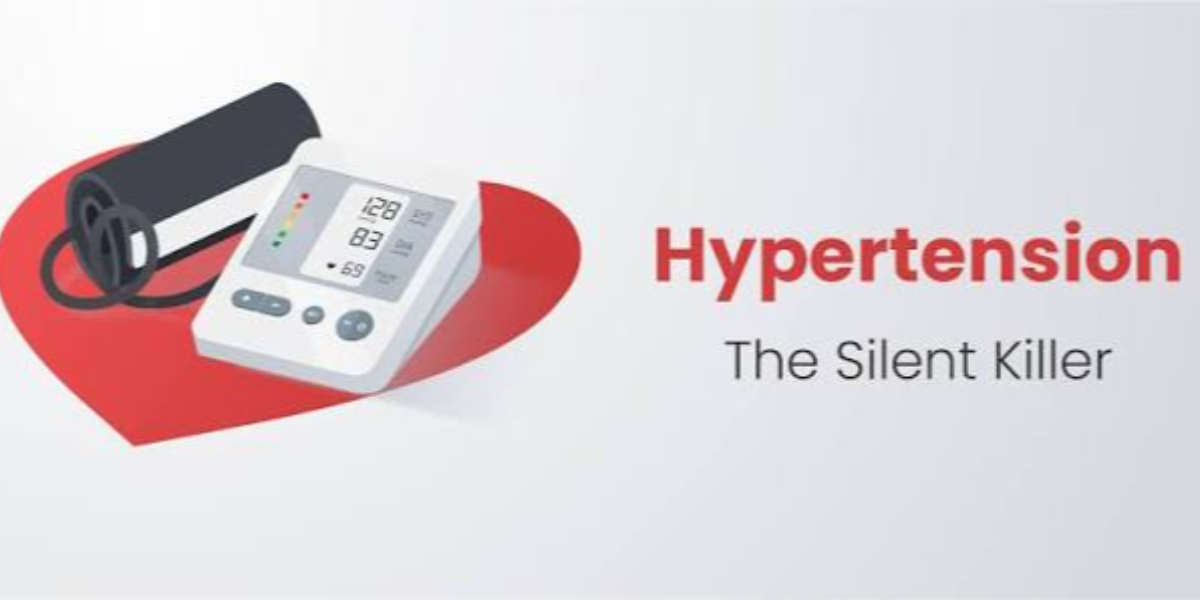
High blood pressure, frequently referred to as silent hypertension, represents one of the most pervasive yet undetected health issues today. This condition develops without obvious physical symptoms in its early stages, allowing it to progress unnoticed for years while inflicting structural harm on arterial walls and vital organ systems. Millions of individuals live with elevated pressure daily, feeling completely asymptomatic, while their cardiovascular framework experiences continuous, unmitigated strain. To prevent these quiet internal changes from escalating into severe medical emergencies, individuals can access comprehensive wellness evaluations and baseline clinical screenings through the official Ali Fatima Hospital.
What Is Silent Hypertension?
Hypertension occurs when the force exerted by circulating blood against the internal lumen of arterial walls remains consistently above normal physiological thresholds.
The human vascular system possesses a remarkable ability to adapt to gradual variations in internal pressure. This adaptability is precisely why elevated readings rarely cause initial pain, dizziness, or overt physical distress.
Because the body compensates silently, an individual may continue their daily personal and professional routines for years without realizing that their blood vessels are undergoing progressive structural changes.
The Process of Arterial Damage
When blood pressure remains elevated over extended periods, the physical force of the bloodstream creates micro-tears in the delicate endothelial lining that shields the inside of every artery.
In response to this continuous mechanical damage, the body initiates a localized inflammatory response. This process attracts lipids, cellular waste, and circulating cholesterol to the site of the injury.
Systemic evaluation and long-term preventative planning begin at the primary care level within the Ali Fatima Hospital Medicine Department. Here, experienced general physicians review detailed patient medical histories, analyze routine clinical risk factors, monitor blood pressure trends, and design targeted treatment strategies to prevent permanent tissue damage.
Over time, these micro-tears collect fatty deposits and calcified plaque, causing the vascular channels to narrow, stiffen, and lose their natural elastic compliance.
This reduced elasticity forces the heart to contract with far greater force to propel blood through hardened channels, initiating a destructive cycle that steadily accelerates systemic cardiovascular wear and tear.
Effects on the Heart and Kidneys
The continuous stress of unmanaged high blood pressure extends far beyond the immediate vascular network, ultimately threatening multiple organ systems throughout the body.
The human heart, forced to pump against elevated systemic resistance, undergoes pathological left ventricular hypertrophy. In this state, the muscle walls of the main pumping chamber thicken, stiffen, and eventually lose operational efficiency.
Simultaneously, the microscopic filtration units within the kidneys, known as nephrons, suffer irreversible vascular scarring. This damage gradually compromises the body's ability to clear metabolic waste products and regulate fluid balance.
Brain and Vascular Complications
Within the cerebral circulatory system, chronically elevated pressure weakens fragile vessel walls over time.
This structural deterioration dramatically increases the long-term risk of ischemic strokes, hemorrhagic events, and vascular dementia.
Because these changes occur deep within the central nervous system, cognitive impact can accumulate slowly before an acute medical event takes place.
How Doctors Diagnose Silent Elevation
Identifying silent hypertension requires precise clinical protocols because single isolated readings can often be misleading due to temporary stress, physical exertion, or anxiety associated with medical settings.
Comprehensive diagnostic approaches rely on serial blood pressure logging, ambulatory monitoring, and targeted laboratory investigations to assess organ health before physical symptoms ever manifest.
Evaluating cardiac electrical activity through electrocardiograms and reviewing renal panel markers allows clinicians to determine whether silent pressure has already begun affecting target organs.
Specialized Cardiac Care and Management
When elevated readings begin impacting cardiac muscle performance or coronary blood flow, specialized subspecialty care becomes critical for preventing adverse events.
Comprehensive cardiac evaluations, diagnostic imaging, and tailored therapeutic interventions are managed by expert clinicians at the Ali Fatima Hospital Cardiology Department.
Receiving early specialized oversight ensures that subtle changes in heart structure are managed before irreversible cardiovascular damage develops.
Daily Prevention and Lifestyle Habits
Adopting preventative health habits remains the most effective defense against the silent progression of hypertensive organ damage.
Rather than waiting for physical warning signs like headaches or chest pressure to appear, adults should schedule routine blood pressure checks at regular intervals.
Integrating a nutrient-dense, low-sodium dietary framework rich in fresh vegetables, potassium, and lean proteins helps preserve arterial wall flexibility.
Combining proper nutrition with at least 150 minutes of moderate aerobic exercise per week helps lower baseline vascular resistance, improves endothelial function, and protects long-term circulatory vitality.
Conclusion
Silent hypertension remains a dangerous medical condition precisely because it inflicts widespread internal organ damage without presenting early physical warning signs. By prioritizing routine clinical screenings, adopting healthy dietary habits, maintaining consistent physical activity, and seeking expert medical evaluation at the earliest sign of elevation, you can effectively safeguard your heart, kidneys, and brain from irreversible harm. Taking a proactive stance toward your blood pressure management today ensures that your vascular system remains resilient, flexible, and fully capable of supporting your overall health for decades to come
Share on Social Media
Recommended For You












Readers Also Viewed These Articles
Categories
- Medicine
- Surgery Department
- Emergency Care
- Anaesthesia
- Cardiology and Cardiac Catheterization
- Dentistry
- ENT (Ear, Nose & Throat)
- Health
- Surgery
- Departments
News & Events

Get in touch with us today to get medical services
Ali Fatima Hospital
Bhobtian Avenue, 9 Km Raiwind Rd, Lahore
- EMAIL US: info@afh.org.pk
- CALL US: 042-35459806
Subscribe Our Newsletter
Copyright 2026. All Rights Reserved By AFH