


When Should You See a Psychiatrist? Signs You Should Not Ignore

Mental health is an important part of overall well-being, but many people ignore emotional difficulties until they begin affecting their daily lives. Persistent anxiety, low mood, sleep problems, or sudden changes in behavior may be signs that you need professional support.
Knowing when to see a psychiatrist can help you understand your symptoms and find the right care. In this guide, we explain the warning signs to watch for, what happens during a psychiatric consultation, and when to seek help.
What Does a Psychiatrist Do?
A psychiatrist is a medical doctor who specializes in diagnosing and treating mental health conditions. They assess emotional, psychological, and behavioral symptoms and consider how physical health, medications, and life experiences may contribute to them.
Treatment depends on the individual's needs and may include medication, psychotherapy, lifestyle guidance, or a combination of approaches. Psychiatrists can also help people manage long-term mental health conditions and monitor their progress.
If you are looking for psychiatric care in Lahore, you can learn more about Dr. Samreen Fatima, Head of the Department of Psychiatry and Behavioral Sciences at Ali Fatima Hospital. A psychiatrist can assess your concerns and discuss suitable treatment options based on your individual needs.
7 Signs You Should Consider Seeing a Psychiatrist
Not every difficult day means you need psychiatric care. However, persistent or severe symptoms deserve attention, especially when they interfere with work, studies, relationships, or everyday activities.
1. Persistent Anxiety or Excessive Worry
Feeling anxious before an exam, interview, or important event is common. However, anxiety may require professional assessment when worry becomes difficult to control, occurs frequently, or affects everyday life.
Possible signs include:
- Constantly worrying about different situations
- Feeling restless or on edge
- Difficulty concentrating because of anxious thoughts
- Avoiding social activities or responsibilities due to fear
- Experiencing physical symptoms such as a racing heart or trembling
If anxiety is affecting your routine or making everyday activities difficult, a mental health professional can help identify possible causes and recommend appropriate support.
2. Ongoing Sadness or Loss of Interest
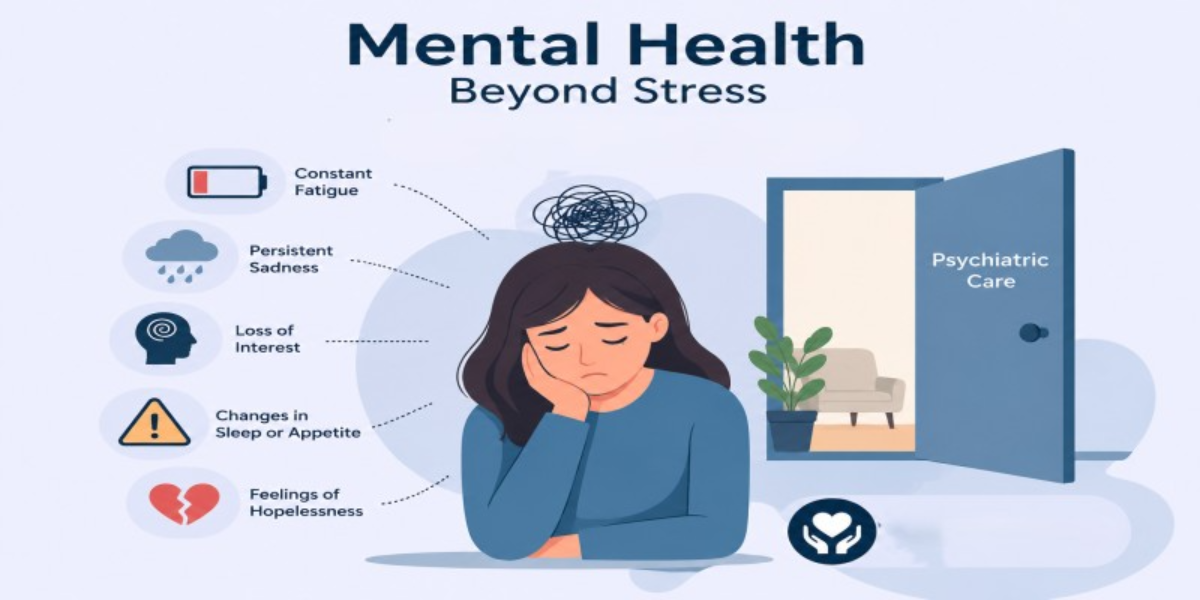
Everyone experiences sadness, disappointment, or grief. However, persistent low mood or losing interest in activities you previously enjoyed may indicate a mental health concern.
Other symptoms can include low energy, feelings of hopelessness, difficulty concentrating, changes in appetite, or feelings of worthlessness. When these symptoms occur most days for around two weeks or longer, particularly alongside other changes, a professional assessment is advisable.
Seeking help does not mean you are weak. It is a practical step toward understanding what you are experiencing and getting appropriate support.
3. Sleep Problems That Affect Your Daily Life
Sleep and mental health are closely connected. Anxiety, depression, and other mental health conditions can contribute to sleep difficulties. At the same time, ongoing sleep problems can affect mood, concentration, and energy levels.
Consider seeking medical advice if you regularly experience:
- Difficulty falling asleep or staying asleep
- Waking much earlier than intended
- Sleeping significantly more than usual
- Feeling exhausted despite getting enough sleep
- Persistent changes in your sleep pattern alongside mood or anxiety symptoms
Sleep problems can have physical as well as psychological causes, so a healthcare professional can help determine the next steps.
4. Sudden or Unusual Changes in Mood or Behavior
Changes in mood are normal, but frequent, intense, or unexplained changes may need evaluation, especially when they affect relationships or daily responsibilities.
Examples include unusual irritability, persistent emotional outbursts, periods of unusually high energy with very little need for sleep, or impulsive behavior that creates problems.
These signs do not automatically indicate a particular psychiatric condition. A psychiatrist can assess the pattern, duration, severity, and possible contributing factors.
5. Panic Attacks or Intense Episodes of Fear
A panic attack is a sudden episode of intense fear or discomfort that may involve a racing heartbeat, sweating, trembling, dizziness, shortness of breath, or a feeling of losing control.
Repeated episodes can make people afraid of experiencing another attack. Some may begin avoiding places or activities where they previously felt comfortable.
If these episodes recur or interfere with daily life, seek professional assessment. Because some physical conditions can cause similar symptoms, new or severe chest pain, significant breathing difficulty, or fainting should not automatically be attributed to anxiety. Seek urgent medical attention when appropriate.
6. Difficulty Managing Daily Responsibilities
Mental health concerns can affect more than how you feel. They may also change how you study, work, maintain relationships, and manage everyday tasks.
You may notice that you are missing classes, struggling to complete work, withdrawing from family and friends, or finding routine responsibilities unusually difficult.
If these changes persist or become more severe, consulting a psychiatrist or another qualified mental health professional may help identify the underlying concerns and suitable support.
7. Thoughts of Self-Harm or Suicide
Thoughts about self-harm, suicide, or not wanting to live should always be taken seriously. You do not need to wait for symptoms to become worse before seeking help.
If you or someone you know is experiencing these thoughts, contact a mental health professional or seek immediate support. If there is an immediate risk of harm, go to the nearest emergency department, contact local emergency services, and stay with a trusted person if it is safe to do so.
You deserve support, and you do not have to face these feelings alone.
When Should You Seek Psychiatric Help?
Consider arranging an appointment when symptoms are persistent, distressing, difficult to manage, or affecting your everyday life. You should also seek help sooner if symptoms are severe, worsening quickly, or interfering with your ability to care for yourself.
You do not need to have a diagnosed mental health condition to speak with a psychiatrist. A consultation can help clarify your symptoms, identify possible contributing factors, and determine whether treatment or further assessment is appropriate.
What Happens During a Psychiatrist Appointment?
If you have never visited a psychiatrist, knowing what to expect may make the experience less stressful.
During an initial consultation, the psychiatrist may:
- Ask about your symptoms: You may discuss your mood, thoughts, sleep, energy levels, and how long you have been experiencing difficulties.
- Review your medical history: Physical health conditions, current medications, previous treatments, and family history may be relevant.
- Discuss your daily life: Work, studies, relationships, recent life events, and stressors may help provide a clearer picture.
- Recommend next steps: Depending on the assessment, the psychiatrist may suggest therapy, medication, lifestyle changes, additional medical tests, or follow-up appointments.
You can ask questions about your symptoms and treatment options. Being honest about what you are experiencing helps the psychiatrist make a more informed assessment.
How Can You Support Your Mental Health?
Professional care is important when symptoms require assessment, but healthy daily habits can also support emotional well-being.
- Maintain a regular sleep schedule: Try to keep consistent sleeping and waking times.
- Stay physically active: Choose activities that suit your health and abilities.
- Keep in touch with trusted people: Talking with supportive friends or family members may help reduce feelings of isolation.
- Manage daily stress: Break large tasks into smaller steps and make time for rest.
- Avoid self-medicating: Do not start, stop, or change psychiatric medication without appropriate medical guidance.
- Seek help when needed: Do not rely on lifestyle changes alone if symptoms are persistent or severe.
These habits can complement professional care but are not a replacement for treatment when a mental health condition requires it.
Conclusion
Knowing when to see a psychiatrist can help you take action before mental health difficulties begin to affect more areas of your life. Persistent anxiety, ongoing sadness, sleep problems, significant mood changes, and difficulty managing daily responsibilities are all reasons to consider professional assessment.
Mental health concerns are not a personal failure, and seeking help is a positive step toward better well-being. If you are struggling, consider speaking with a qualified professional to understand your symptoms and explore appropriate care.
Share on Social Media
Recommended For You























Readers Also Viewed These Articles
Categories
- Medicine
- Surgery Department
- Emergency Care
- Anaesthesia
- Cardiology and Cardiac Catheterization
- Dentistry
- ENT (Ear, Nose & Throat)
- Health
- Surgery
- Departments
Get in touch with us today to get medical services
Ali Fatima Hospital
Bhobtian Avenue, 9 Km Raiwind Rd, Lahore
- EMAIL US: info@afh.org.pk
- CALL US: 042-35459806
Subscribe Our Newsletter
Copyright 2026. All Rights Reserved By AFH