


Early Warning Signs of Colon Cancer You Should Never Ignore
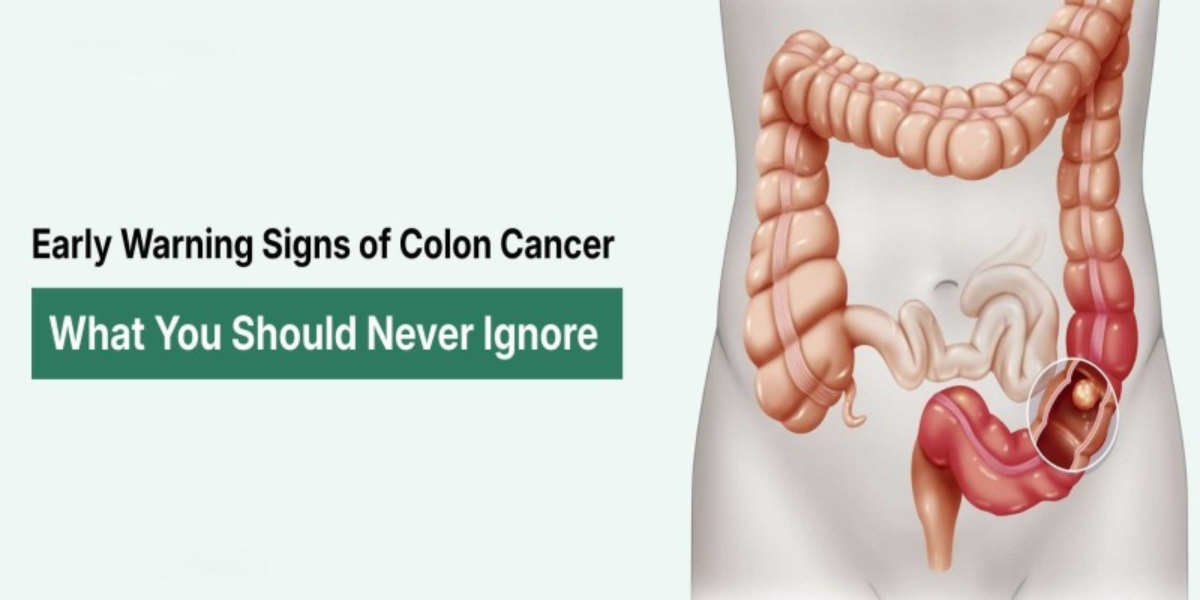
When it comes to your health, what you don't know or what you choose to ignore can change your life trajectory. Colon cancer, also known as colorectal cancer, is one of the most common types of cancer worldwide, yet it is also one of the most preventable and treatable when caught early.
The challenge with colon cancer is that it often develops quietly. In its initial stages, it rarely makes a loud entrance. Instead, it drops subtle hints that are easy to mistake for everyday digestive discomforts, such as a minor stomach bug or a poor dinner choice.
Paying attention to these quiet shifts in your body is absolutely critical. Just as you would listen to Your Heart by prioritizing cardiovascular screenings, tuning in to your digestive health can save your life.
Persistent Changes in Bowel Habits
It is completely normal for your bathroom routine to fluctuate from time to time based on your diet, hydration, stress, or activity levels. However, if you notice a lasting shift that persists for more than a few weeks, it warrants an investigation.
Look out for:
Alternating patterns
Moving between unusual constipation and sudden diarrhea without a clear cause.
Stool consistency changes
Stools that are consistently looser or harder than your normal baseline.
Narrowing of the stool
Stools that become very thin or pencil-thin. This can happen when a tumor in the colon physically narrows the passageway that waste travels through.
Rectal Bleeding or Blood in the Stool
Finding blood in your stool or on the toilet paper can be alarming. While it is frequently caused by less severe issues like hemorrhoids or anal fissures, you should never make that assumption yourself.
Bright red blood
Typically indicates bleeding closer to the exit point in the rectum or lower colon.
Dark, tarry, or black stool
This happens when bleeding occurs higher up in the large intestine. As the blood travels through the digestive tract, it undergoes chemical changes that turn it dark.
Any unexplained blood requires professional evaluation from a dedicated Gastroenterology department to rule out serious underlying conditions.
Persistent Abdominal Discomfort
We all experience occasional gas, bloating, or cramps. However, localized, frequent, or severe abdominal pain that does not resolve with lifestyle changes or over-the-counter remedies is a distinct warning sign.
A growing tumor can cause partial blockages in the colon, leading to painful cramps, a feeling of excessive fullness, or persistent bloating. If you find yourself consistently uncomfortable after eating or dealing with stomach pains that disrupt your daily routine, it is time to seek medical advice.
Unexplained Weight Loss and Chronic Fatigue
Losing weight without trying might sound ideal to some, but sudden, unintended weight loss is a classic red flag for many systemic health issues, including colon cancer.
Cancer cells consume a tremendous amount of the body's energy, which can alter your metabolism and cause your body to burn calories faster. Furthermore, if a tumor is causing chronic, microscopic bleeding inside the colon, it can gradually lead to iron-deficiency anemia. A lack of healthy red blood cells reduces oxygen delivery across your body, leaving you feeling profoundly exhausted, weak, and fatigued, even after a full night's rest.
The Golden Rule of Digestive Health
A symptom doesn't have to be excruciatingly painful to be serious. Frequency, persistence, and changes from your personal baseline are what truly matter.
When to Seek Professional Guidance
If you are experiencing any of these warning signs, scheduling a consultation with a specialist is the most responsible next step. Experts like an Assistant. Prof. Gastroenterology has advanced training in navigating complex digestive symptoms and can guide you through appropriate diagnostic testing, such as a colonoscopy.
Early detection turns a frightening diagnosis into a highly manageable, treatable condition. Modern screening methods can even detect and remove precancerous growths (polyps) before they ever have the chance to transform into cancer.
If you are looking for comprehensive diagnostic resources, multi-specialty care facilities like Ali Fatima Hospital provide the clinical support and screening infrastructure necessary to protect your long-term health. Don't wait for symptoms to worsen; proactive screening is always your strongest defense.
Conclusion
Taking charge of your digestive health requires a blend of awareness, intuition, and proactive action. While symptoms like persistent bloating, fatigue, or changes in bowel habits are easily blamed on a busy lifestyle or a temporary dietary shift, they are often your body’s only way of signaling that something deeper needs attention. Colon cancer is a formidable opponent, but its vulnerability lies in early detection. By refusing to normalize or ignore these warning signs and by choosing to consult with medical professionals early on, you effectively shift the odds in your favor. Your health is your most valuable asset. Listen to what your body is telling you, prioritize timely screenings, and never hesitate to seek the professional care you deserve
Share on Social Media
Recommended For You























Readers Also Viewed These Articles
Categories
- Medicine
- Surgery Department
- Emergency Care
- Anaesthesia
- Cardiology and Cardiac Catheterization
- Dentistry
- ENT (Ear, Nose & Throat)
- Health
- Surgery
- Departments
Get in touch with us today to get medical services
Ali Fatima Hospital
Bhobtian Avenue, 9 Km Raiwind Rd, Lahore
- EMAIL US: info@afh.org.pk
- CALL US: 042-35459806
Subscribe Our Newsletter
Copyright 2026. All Rights Reserved By AFH