

Listen to Your Heart: The Critical Importance of Early Cardiac Screening
The heart is the engine of the human body, a tireless muscle that pumps life-sustaining blood to every organ, second after second. However, in our fast-paced modern world, the stresses of lifestyle, diet, and environment often take a silent toll on this vital organ. Cardiovascular diseases remain a leading cause of health complications globally, but there is a powerful tool at our disposal: early detection.
Understanding the nuances of Cardiology and Cardiac Catheterisation is no longer just for those already experiencing symptoms; it is a vital step for anyone looking to secure their long-term health. Early screening can identify the "silent" markers of heart disease, such as arterial thickening or rhythm irregularities, long before they escalate into life-threatening events.
The Silent Progression of Heart Disease
Many cardiac conditions are notoriously quiet. High blood pressure, high cholesterol, and even early-stage coronary artery disease often do not present obvious symptoms until the damage is significant. This is why "listening to your heart" involves more than just physical feeling; it involves clinical data. Through regular screenings, doctors can assess your cardiovascular risk profile using:
- Electrocardiograms (ECG).
- Echocardiograms.
- Exercise Stress Tests.
Precision Diagnostics and Expert Care
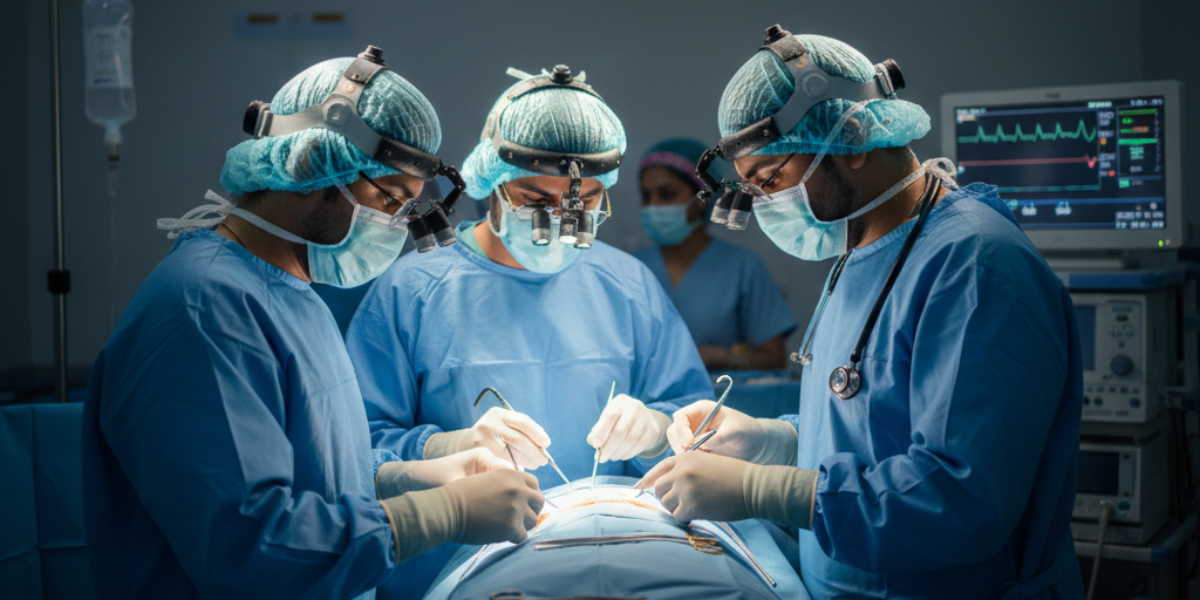
When screenings indicate a potential issue, the transition from basic diagnostics to advanced intervention must be seamless. The department at Ali Fatima Hospital is equipped with a state-of-the-art "Cath Lab" where specialists perform intricate procedures to visualize and treat blockages. This high-precision environment is led by Dr. Samar Arfeen, the Head of the Department of Cardiology.
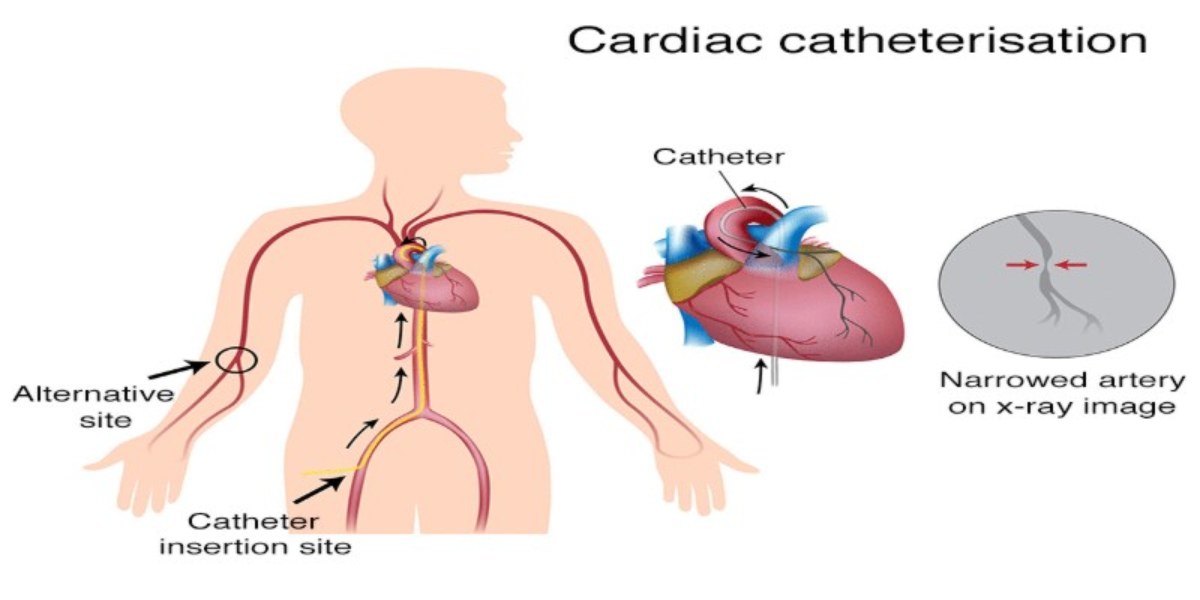
Under her expert guidance, the clinical team utilizes Cardiac Catheterisation to provide definitive answers. This procedure allows doctors to navigate a thin tube to the heart, offering a detailed map of the blood vessels and the ability to perform life-saving angioplasty or stenting if necessary.
Who Should Prioritize Cardiac Screening?
While heart health is a universal concern, certain individuals should be particularly vigilant. If you have a family history of heart disease, struggle with diabetes, or have lived a sedentary lifestyle, early screening is not optional; it is essential.
In 2026, preventative cardiology has made it possible to stop the progression of heart disease in its tracks, provided the intervention happens early enough. By identifying risk factors in your 30s or 40s, you can make informed lifestyle changes or begin mild medical therapies that add decades of quality to your life.
A Commitment to Cardiovascular Excellence
A hospital's ability to manage heart health is defined by the synergy between its technology and its people. At Ali Fatima Hospital, the focus is on a "Patient-First" approach, ensuring that from the moment you walk in for a routine checkup to the moment you leave after a complex procedure, you are supported by a multidisciplinary team. The integration of advanced imaging and interventional cardiology ensures that patients receive a holistic treatment plan tailored to their specific biological needs.
Conclusion.
The best time to care for your heart is before it sends you a warning sign. Early cardiac screening is more than just a medical appointment; it is a commitment to your future self and your family. By choosing a facility that combines expert leadership with cutting-edge catheterisation technology, you are giving your heart the best possible chance to keep beating strong for years to come
Share on Social Media
Recommended For You







Readers Also Viewed These Articles
Categories
- Medicine
- Surgery Department
- Emergency Care
- Anaesthesia
- Cardiology and Cardiac Catheterization
- Dentistry
- ENT (Ear, Nose & Throat)
- Health
- Surgery
- Departments
Get in touch with us today to get medical services
Ali Fatima Hospital
Bhobtian Avenue, 9 Km Raiwind Rd, Lahore
- EMAIL US: info@afh.org.pk
- CALL US: 042-35459806
Subscribe Our Newsletter
Copyright 2026. All Rights Reserved By AFH