

Fatty Liver Disease in Young Adults: Causes, Warning Signs, and Prevention
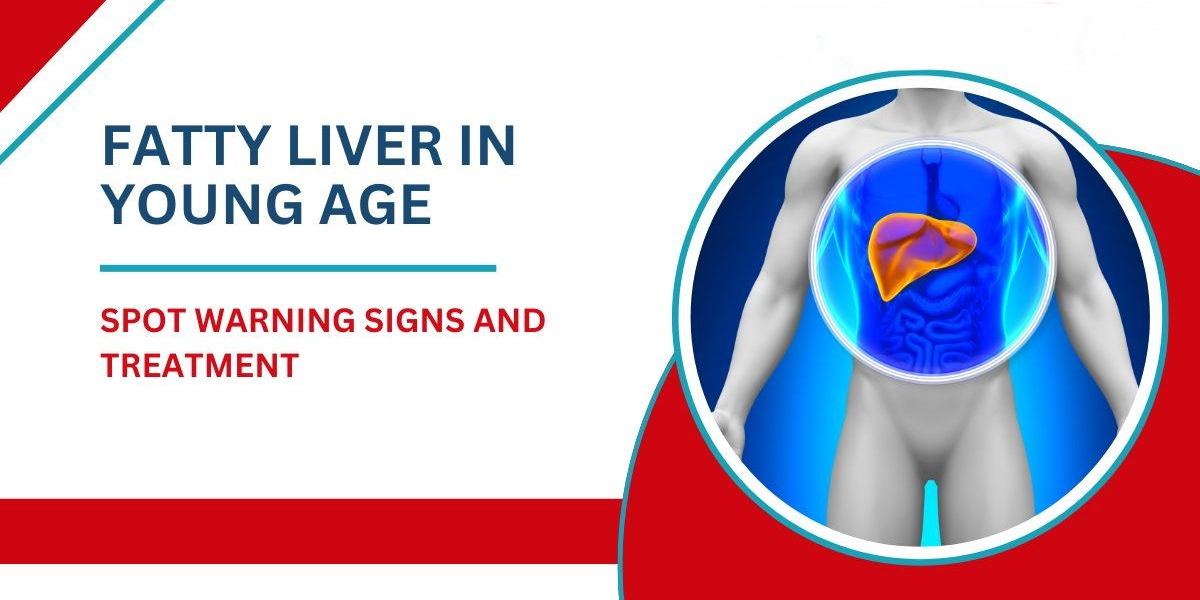
Metabolic health challenges are escalating rapidly among young adults worldwide, with non-alcoholic fatty liver disease emerging as a major public health concern. Fatty liver disease occurs when excessive triglycerides accumulate within liver cells, exceeding the normal storage threshold and triggering localized tissue inflammation. Historically viewed as a condition that primarily affected older demographics, this hepatic disorder is now frequently diagnosed in individuals in their twenties and thirties. Young adults interested in evaluating their metabolic health or accessing specialized liver health screenings can explore clinical diagnostic options available through the official Ali Fatima Hospital.
Modern Causes of Early-Onset Fat Accumulation
The increasing prevalence of fatty liver disease among younger populations is strongly linked to modern dietary patterns, sedentary daily habits, and underlying metabolic shifts.
High consumption of ultra-processed foods, refined carbohydrates, fructose-sweetened beverages, and trans fats delivers an excess of dietary energy that overpowers the liver's metabolic processing capacity.
When daily caloric intake consistently exceeds physical energy expenditure, the liver synthesizes surplus glucose into fatty acids, storing these fat molecules directly inside hepatocytes.
How Insulin Resistance Impacts the Liver
Over time, excessive intrahepatic fat accumulation disrupts normal cellular function and triggers chronic low-grade inflammation within the liver tissue.
Specialized clinical evaluation, diagnostic workups, and comprehensive metabolic management plans are provided by expert physicians within the Ali Fatima Hospital Gastroenterology Department. Gastroenterologists analyze liver function profiles, evaluate metabolic risk factors, and coordinate targeted treatment strategies designed to arrest fat accumulation and protect overall hepatic function.
This inflammatory state impairs insulin signaling pathways throughout the body, fostering widespread peripheral insulin resistance that further accelerates fat synthesis in a continuous feedback loop.
As hepatic insulin resistance intensifies, the liver loses its ability to regulate systemic glucose release, increasing the long-term risk of developing type 2 diabetes and metabolic syndrome.
The Progression from Fat Build-Up to Inflammation
Fatty liver disease rarely exists as an isolated medical issue, functioning instead as the hepatic manifestation of systemic metabolic dysfunction.
Individuals diagnosed with fatty liver disease frequently exhibit concurrent metabolic risk factors, including elevated body mass index, central abdominal obesity, high blood triglyceride levels, and reduced levels of beneficial high-density lipoprotein cholesterol.
If left unmanaged, simple fat accumulation can progress to non-alcoholic steatohepatitis, a more aggressive condition characterized by cell swelling, tissue destruction, progressive liver fibrosis, and ultimately irreversible cirrhosis or hepatic failure.
Early Warning Signs in Young Adults
In its early and most reversible stages, fatty liver disease is notoriously asymptomatic, earning it a reputation as a silent metabolic condition.
As fat storage expands and the liver capsule stretches, some young adults may experience subtle, non-specific symptoms such as persistent general fatigue, low daytime energy, or mild digestive discomfort.
Others may notice a dull, localized ache in the upper right quadrant of the abdomen, accompanied by occasional bloating after meals.
Routine laboratory blood testing often provides the first objective clue, revealing elevated levels of serum alanine aminotransferase and aspartate aminotransferase enzymes released by stressed liver cells.
Diagnostic Imaging and Liver Evaluations
To accurately assess the extent of fat accumulation and evaluate liver tissue stiffness without invasive biopsies, specialized imaging technologies are essential.
High-resolution diagnostic imaging, non-invasive abdominal ultrasounds, and advanced tissue assessments are conducted by expert specialists at the Ali Fatima Hospital Radiology Department.
These non-invasive radiological scans provide clear visual data that helps clinicians determine whether fat accumulation has caused structural changes or inflammation within the liver organ.
To gain a broader understanding of how unmanaged metabolic dysfunction, systemic inflammation, and vascular pressures interconnectedly threaten overall wellness, readers can explore our educational resource on Silent Hypertension and Cardiovascular Risks.
Reversing Fatty Liver Through Daily Habits
Preventing and reversing early-stage fatty liver disease relies almost entirely on sustainable, long-term lifestyle modifications.
Shifting daily dietary habits toward whole foods, high-fiber vegetables, lean proteins, and unsaturated healthy fats while eliminating sugary drinks allows the liver to mobilize and burn stored fat.
Incorporating at least 30 minutes of daily physical activity, combining aerobic movement with resistance training, significantly enhances muscular insulin sensitivity, boosts systemic fat oxidation, and promotes gradual, healthy weight loss that alleviates cellular strain on the liver.
Conclusion
Fatty liver disease in young adults represents a growing health challenge, but it is also a condition that can be completely reversed when caught in its early stages through proactive lifestyle changes. Embracing a wholesome, low-sugar diet, engaging in consistent physical activity, and prioritizing routine wellness checkups can eliminate stored liver fat, clear tissue inflammation, and protect long-term metabolic health. Taking proactive control of your physical well-being today will ensure that your liver remains healthy, resilient, and capable of supporting your body's vital functions throughout your life
Share on Social Media
Recommended For You








Readers Also Viewed These Articles
Categories
- Medicine
- Surgery Department
- Emergency Care
- Anaesthesia
- Cardiology and Cardiac Catheterization
- Dentistry
- ENT (Ear, Nose & Throat)
- Health
- Surgery
- Departments
Get in touch with us today to get medical services
Ali Fatima Hospital
Bhobtian Avenue, 9 Km Raiwind Rd, Lahore
- EMAIL US: info@afh.org.pk
- CALL US: 042-35459806
Subscribe Our Newsletter
Copyright 2026. All Rights Reserved By AFH