

The Impact of Modern Surgical Equipment on Healthcare Delivery
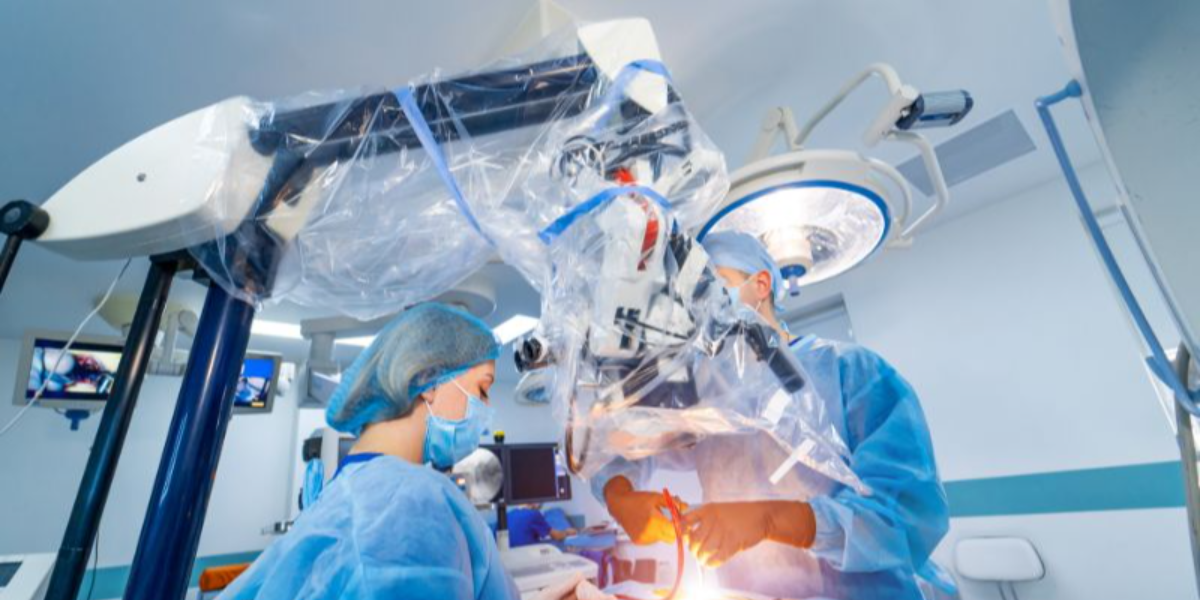
The landscape of modern medicine is shifting at a breathtaking pace, and perhaps nowhere is this more evident than inside the operating theater. The transition from traditional open surgeries to technology-driven procedures has redefined what is possible in healthcare. Modern surgical equipment isn’t just about fancier tools; it is about fundamental shifts in patient safety, recovery speed, and the overall efficiency of healthcare delivery.
Precision and Enhanced Accuracy
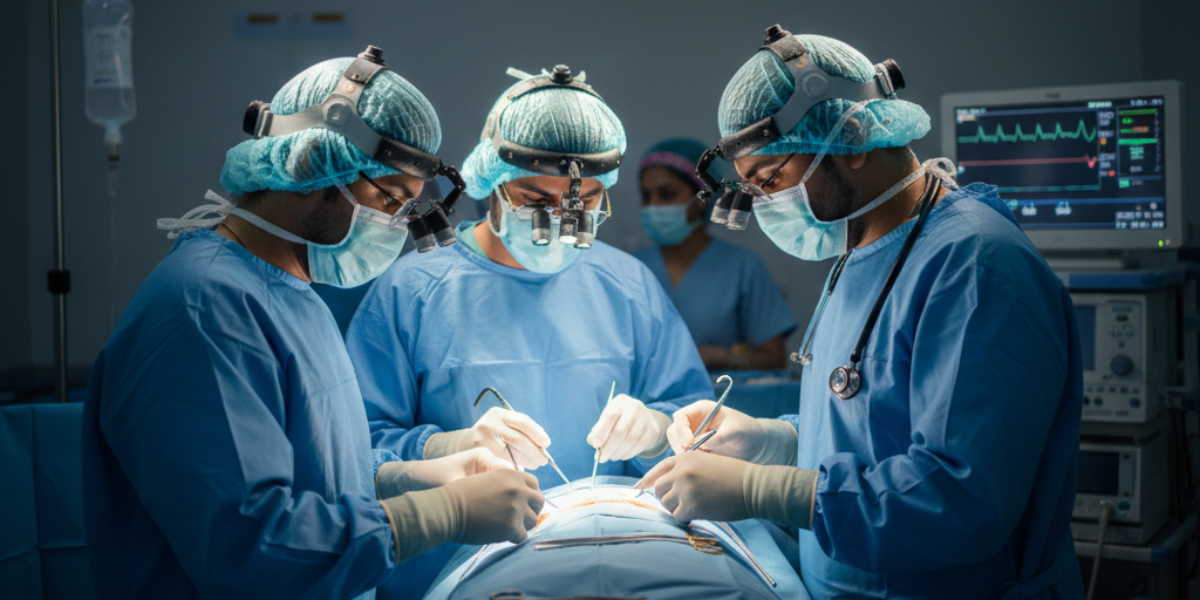
In the past, the success of a surgery relied almost exclusively on the steady hand and eyesight of the surgeon. While human expertise remains irreplaceable, modern equipment acts as a powerful force multiplier. High-definition imaging systems, 4K cameras, and robotic-assisted tools allow surgeons to see anatomical structures with 10x magnification. This level of precision ensures that surrounding healthy tissues remain untouched, drastically reducing the risk of complications during complex procedures.
The Rise of Minimally Invasive Surgery (MIS)
One of the most significant impacts of modern equipment is the move toward Minimally Invasive Surgery (MIS). Tools like laparoscopes and endoscopes allow surgeons to perform major operations through incisions no larger than a keyhole. For the patient, this translates to:
- Reduced Blood Loss: Smaller incisions mean significantly less trauma to the body.
- Lower Infection Rates: Less exposure of internal organs to the environment minimizes the risk of hospital-acquired infections.
- Faster Recovery: Patients who once required weeks of bed rest are now often discharged within 24 to 48 hours.
Surgery at Ali Fatima Hospital (AFH)
In the heart of Lahore, Ali Fatima Hospital (AFH) exemplifies the integration of these global surgical standards within a local healthcare framework. The Surgery Department at AFH is equipped with state-of-the-art operating suites that feature high-precision surgical instruments and advanced anesthesia monitoring systems.
By prioritizing investment in modern technology, AFH ensures that patients receive international-standard care at affordable rates. As a teaching hospital, AFH also utilizes this equipment to train the next generation of surgeons, ensuring that the future of healthcare delivery in the region is built on a foundation of innovation and safety.
Improved Patient Outcomes and Hospital Efficiency
Modern equipment does more than just help the patient; it optimizes the entire healthcare ecosystem. When surgeries are more precise and less invasive, hospital stays are shorter. This increases bed turnover, allowing hospitals to treat more patients in less time. Furthermore, the integration of smart monitoring systems allows for real-time data tracking, ensuring that post-operative care is proactive rather than reactive.
Conclusion
The impact of modern surgical equipment on healthcare delivery is profound. It has turned once-risky operations into routine procedures and shifted the focus from merely surviving surgery to thriving after it. As technology continues to evolve, the gap between diagnosis and recovery will continue to shrink, making high-quality surgical care more accessible and safer for everyone. For more informative blogs regarding health and medical advancements, visit our blog section.
Share on Social Media
Recommended For You

Readers Also Viewed These Articles
Categories
- Medicine
- Surgery Department
- Emergency Care
- Anaesthesia
- Cardiology and Cardiac Catheterization
- Dentistry
- ENT (Ear, Nose & Throat)
- Health
- Surgery
Get in touch with us today to get medical services
Ali Fatima Hospital
Bhobtian Avenue, 9 Km Raiwind Rd, Lahore
- EMAIL US: info@afh.org.pk
- CALL US: 042-35459806
Subscribe Our Newsletter
Copyright 2026. All Rights Reserved By AFH