
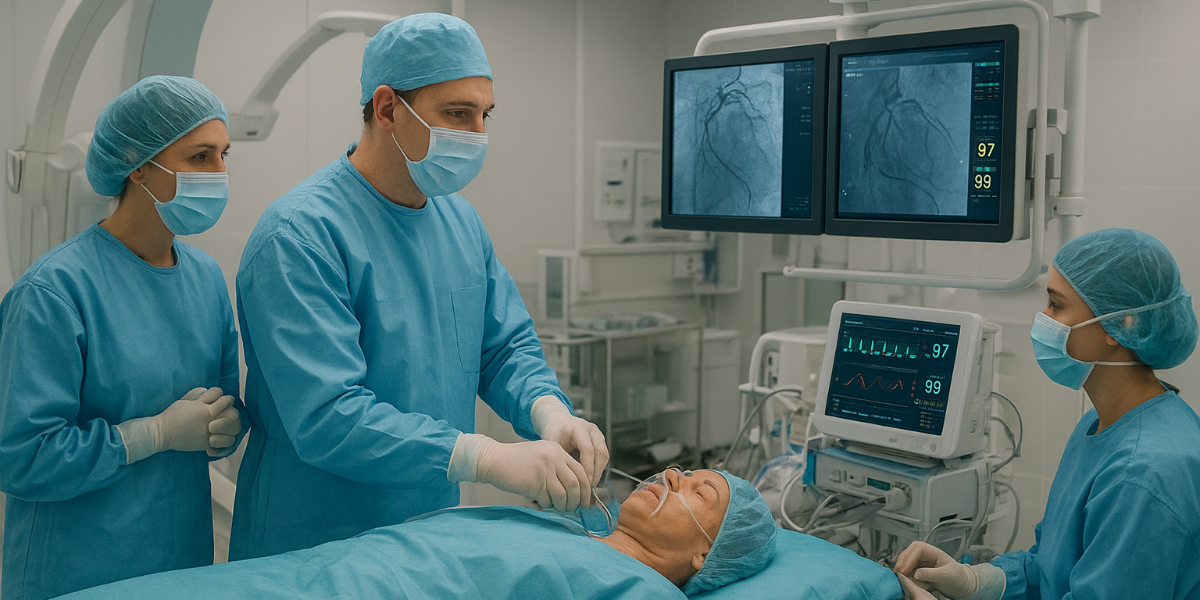
Understanding Cardiac Catheterization: A Lifeline for Heart Patients
Heart diseases are among the leading causes of illness worldwide, making advanced cardiac care more important than ever. Cardiology focuses on diagnosing, treating, and preventing disorders of the heart and blood vessels. One of the most effective diagnostic and treatment procedures in modern cardiology is cardiac catheterization, which has transformed the way heart conditions are managed.
This procedure allows cardiologists to assess heart function accurately and provide timely, life-saving interventions.
What Is Cardiac Catheterization?
Cardiac catheterization is a minimally invasive medical procedure used to examine the heart and blood vessels. A thin, flexible tube called a catheter is inserted through a blood vessel in the arm or groin and guided toward the heart.
Through this procedure, doctors can measure blood pressure inside the heart, assess blood flow, detect blockages in coronary arteries, and evaluate heart valve function. It provides detailed information that cannot always be obtained through non-invasive tests.
Conditions Diagnosed and Treated Through Cardiac Catheterization
Cardiac catheterization is commonly used to diagnose coronary artery disease, congenital heart defects, heart valve disorders, and weakened heart muscles. It also plays a vital role in identifying the cause of chest pain, shortness of breath, and abnormal heart rhythms.
In many cases, therapeutic procedures such as angioplasty or stent placement can be performed during catheterization, reducing the need for open-heart surgery.
The Role of the Cardiology Team
The cardiology team includes highly trained cardiologists, nurses, and technicians who work together to ensure patient safety and successful outcomes. Before the procedure, patients undergo a thorough evaluation to assess their medical history and risk factors.
During catheterization, continuous monitoring of heart rhythm, blood pressure, and oxygen levels ensures immediate response to any changes. After the procedure, patients receive close observation and guidance for recovery and lifestyle modification.
Patient Safety and Advanced Technology
Modern cardiac catheterization laboratories are equipped with advanced imaging systems and monitoring devices. These technologies allow precise visualization of the heart and blood vessels while minimizing risk.
Strict safety protocols, sterile environments, and expert clinical judgment have made cardiac catheterization a safe and reliable procedure with high success rates.
Benefits of Early Cardiac Intervention
Early diagnosis and timely treatment of heart conditions significantly improve survival rates and quality of life. Cardiac catheterization helps prevent serious complications such as heart attacks, heart failure, and sudden cardiac arrest.
By identifying problems at an early stage, patients can receive appropriate treatment and adopt healthier lifestyles to protect their heart health.
Conclusion
Cardiac catheterization has become a cornerstone of modern cardiology, offering accurate diagnosis and effective treatment for a wide range of heart conditions. Through skilled medical teams and advanced technology, this procedure continues to save lives and restore hope for heart patients. Comprehensive cardiology care plays a vital role in promoting long-term heart health and ensuring better outcomes for patients of all ages. Read more
Relevant Blogs
Get in touch with us today to get medical services
Ali Fatima Hospital
Bhobtian Avenue, 9 Km Raiwind Rd, Lahore
- EMAIL US: info@afh.org.pk
- CALL US: 042-35459806
Subscribe Our Newsletter


Copyright 2026. All Rights Reserved By AFH