
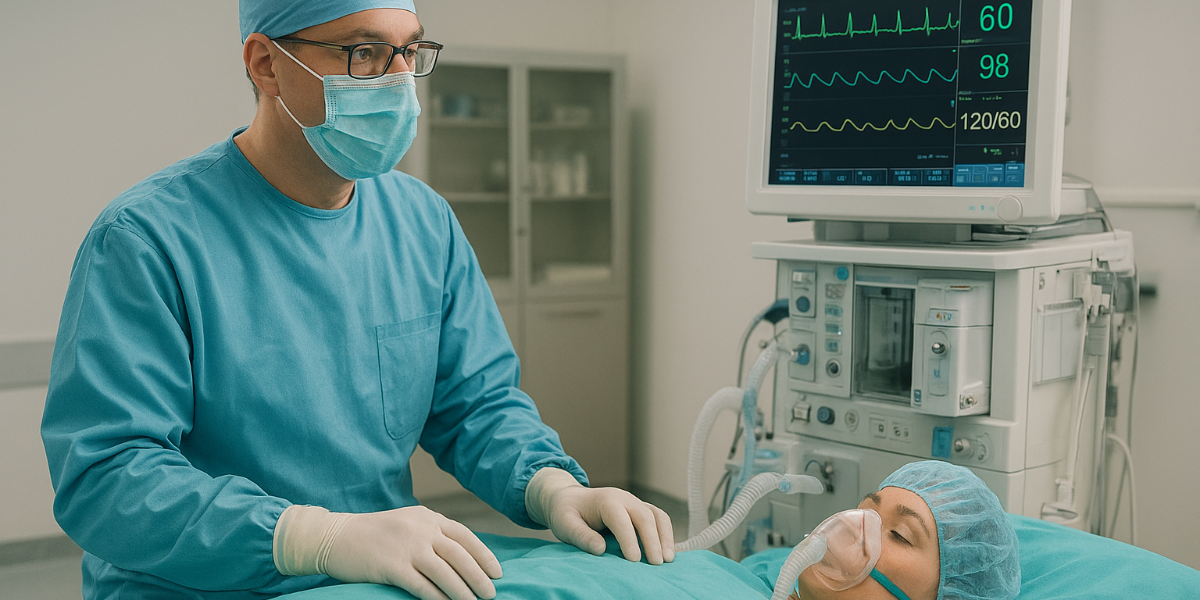
The Role of Anaesthesia in Modern Surgery: Ensuring Patient Safety and Comfort
Anaesthesia plays a critical role in modern healthcare by allowing complex surgical and diagnostic procedures to be performed safely and comfortably. It is a specialised medical practice focused on pain relief, patient monitoring, and physiological stability before, during, and after surgery. Without anaesthesia, many life-saving procedures would be impossible.
Modern anaesthesia has evolved significantly, combining advanced medications, monitoring technology, and expert clinical judgment to ensure optimal patient outcomes.
Understanding Anaesthesia and Its Purpose
Anaesthesia is a controlled medical state that reduces or completely eliminates pain and awareness during medical procedures. Its primary goals include relieving pain, preventing movement, reducing anxiety, and maintaining stable vital functions such as breathing, heart rate, and blood pressure.
Anaesthesiologists are highly trained physicians who assess each patient’s medical condition and design a personalised anaesthesia plan to ensure maximum safety throughout the procedure.
Types of Anaesthesia Used in Medical Care
Different types of anaesthesia are used depending on the nature of the procedure and the patient’s health status.
General anaesthesia renders the patient fully unconscious and is commonly used for major surgeries.
Regional anaesthesia numbs a specific area of the body, such as spinal or epidural anaesthesia used in childbirth and lower-body surgeries.
Local anaesthesia blocks pain in a small, targeted area and is often used for minor procedures.
Each type is carefully selected to strike a balance between effectiveness, safety, and recovery time.
The Role of the Anaesthesia Team
The anaesthesia team is responsible for much more than administering medication. Their duties include pre-operative assessment, continuous monitoring during surgery, pain management, and post-operative care.
Before surgery, patients are evaluated for allergies, existing medical conditions, and previous reactions to anaesthesia. During the procedure, vital signs are closely monitored to respond immediately to any changes. After surgery, the team ensures smooth recovery and effective pain control.
Patient Safety and Advanced Monitoring
Patient safety is the foundation of modern anaesthesia practice. Advanced monitoring systems track oxygen levels, heart rate, blood pressure, and breathing in real-time. These technologies allow anaesthesiologists to detect and manage complications instantly.
Strict safety protocols and international standards have made anaesthesia one of the safest aspects of surgical care today.
Pain Management Beyond Surgery
Anaesthesia also plays a vital role in pain management outside the operating room. It is used in critical care units, trauma cases, chronic pain treatment, and diagnostic procedures. Effective pain control improves recovery, reduces stress, and enhances overall patient well-being.
The Importance of Anaesthesia in Modern Healthcare
Anaesthesia has transformed healthcare by enabling safer surgeries, shorter hospital stays, and faster recoveries. Its contribution extends beyond surgery to emergency medicine, obstetrics, intensive care, and pain management.
With continuous advancements in medications and technology, anaesthesia continues to improve patient comfort, safety, and surgical success.
Conclusion
The role of anaesthesia in modern surgery is indispensable. It ensures that patients undergo medical procedures without pain, fear, or unnecessary risk. Through expert care, advanced monitoring, and personalised treatment plans, anaesthesia remains a cornerstone of safe and effective healthcare.
As medical science progresses, anaesthesia will continue to evolve, supporting better surgical outcomes and enhancing the overall patient experience. Read more . .
Relevant Blogs
Get in touch with us today to get medical services
Ali Fatima Hospital
Bhobtian Avenue, 9 Km Raiwind Rd, Lahore
- EMAIL US: info@afh.org.pk
- CALL US: 042-35459806
Subscribe Our Newsletter


Copyright 2026. All Rights Reserved By AFH